MAP30 Article Directory
Return To Home Page →
Hormones & Metabolism
Hormones are not background noise in metabolism. They are the signal.
Every major metabolic process — how your body stores fat, burns energy, regulates blood sugar, controls hunger, and responds to stress — is governed by hormonal signaling. When those signals are working correctly, metabolism runs efficiently. When they're disrupted, almost everything downstream is affected.
Insulin is the most consequential metabolic hormone. When cells stop responding to insulin effectively, the body enters a state called insulin resistance — the underlying driver of weight gain that won't respond to dieting, blood sugar dysregulation, and most major metabolic diseases. But insulin doesn't work in isolation. Cortisol, the stress hormone, elevates blood sugar and promotes fat storage around the abdomen. Leptin and ghrelin govern hunger and satiety. Thyroid hormones set the baseline rate of metabolism. Growth hormone drives fat burning and muscle preservation. These systems interact constantly, and disrupting one affects the others.
The problem with most mainstream health advice is that it ignores this. It treats weight and metabolic health as math problems — calories in versus calories out — when the actual drivers are biochemical. You can eat less and move more while every hormonal signal in your body is working against you.
The articles in this section cover the science of hormonal metabolism — what these hormones do, how they become dysregulated, and what the research shows about restoring hormonal balance. This is the foundation of the MAP30 framework. Understanding hormones and metabolism isn't optional background reading. It's the starting point for everything else.
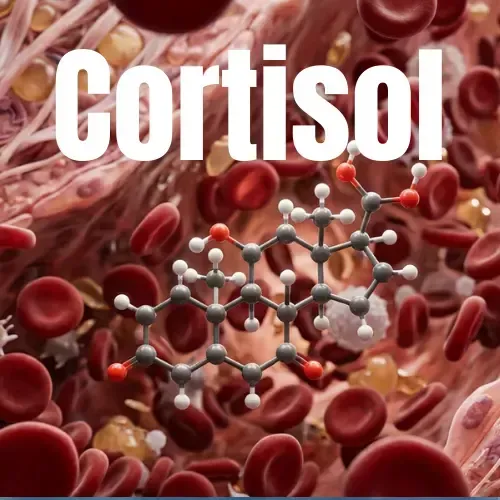
How to Lower Cortisol Levels — Why Chronic Stress Is Making You Store Fat and What to Do About It
You’ve been told stress makes you eat more. That’s only part of the story. Cortisol directly instructs your body to store fat — specifically in the abdomen — independent of what you eat. Understanding the hormonal mechanism changes how you approach both stress and weight.
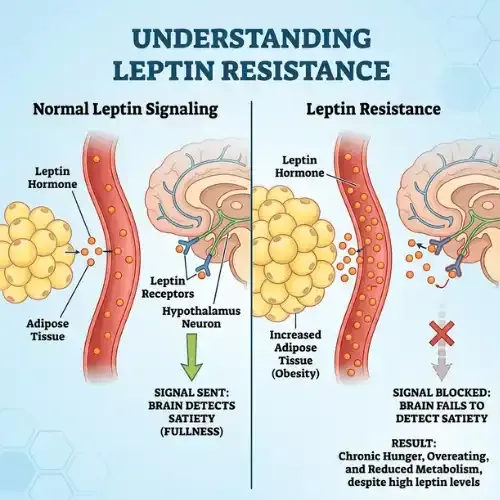
How Leptin Works — and Why Your Brain Thinks You're Starving
Leptin is the hormone your fat cells use to tell your brain you have enough stored energy. When it works, hunger is manageable and weight regulates itself. When leptin resistance sets in, your brain thinks you're starving — even when you're not. Understanding what causes leptin resistance, and how to fix it, changes everything about why diets fail.

What Is Ghrelin — The Hunger Hormone That Controls Your Appetite
Ghrelin is the hormone your stomach sends to your brain when it wants you to eat. Understanding how ghrelin works, why it spikes after dieting, and how to reduce ghrelin naturally through sleep, protein, and meal timing gives you a biological tool for managing hunger — rather than fighting it with willpower alone.
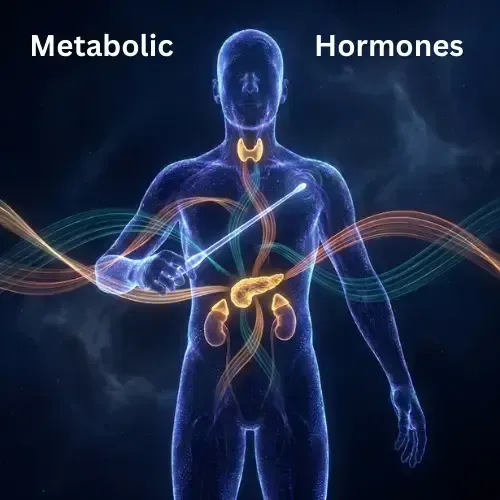
What Are Hormones and How Do They Work — The Metabolic Orchestra Behind Your Weight, Energy, and Health
Most people think about weight gain as a math problem — calories in versus calories out. The biology is more complex than that. Your body is run by a hormonal system that decides whether to store fat or burn it, whether to feel hungry or satisfied, whether to have energy or feel exhausted. Understanding how that system works is the first step to working with your biology instead of against it.
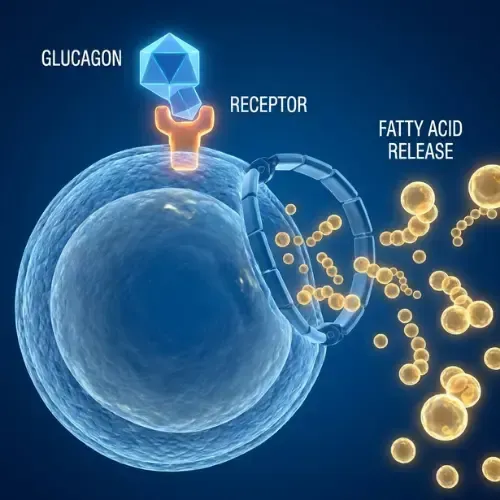
Glucagon Benefits for Fat Loss: The Hormone That Unlocks Stored Energy
Every conversation about blood sugar and fat loss focuses on insulin. But insulin has a counterpart that does the opposite job — and understanding it may be more important for fat loss than anything you've been told about calories.
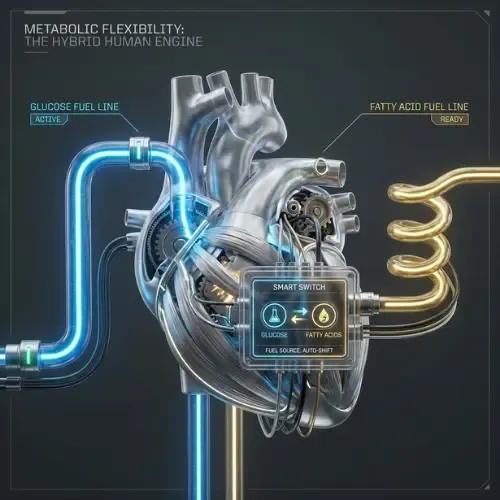
How to Improve Metabolic Flexibility — What It Is, Why You Lost It, and How to Get It Back
Metabolic flexibility is the ability to switch efficiently between burning glucose and burning fat depending on what fuel is available. Most people have lost it — and the loss explains stubborn weight, constant hunger, energy crashes, and the feeling that your metabolism is broken. It isn't broken. It's stuck.
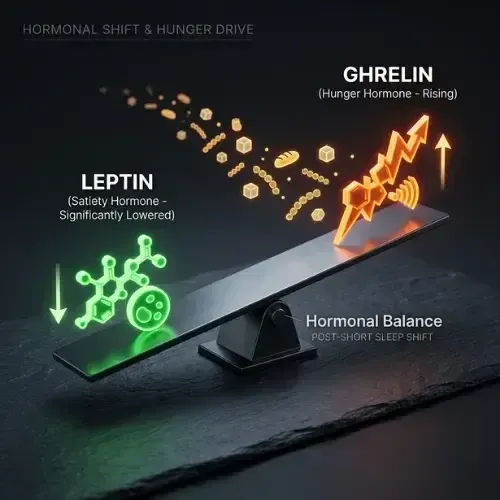
Is Sleep Slowing Your Metabolism? The Hormonal Connection Most People Miss
You're doing everything right — eating well, staying active, managing stress as best you can. And yet the scale won't move, your energy is flat, and you're hungry in a way that feels out of proportion to what you've eaten. The variable you haven't accounted for may be happening every night while you're unconscious.

Most Read Article:
The Real Reason You Can't Lose Weight - It Has Nothing to Do With Calories
Calories don't control your weight. Hormones do. And once you understand the difference, everything changes.

📩 Join the Metabolic Health Newsletter
New articles, research insights, and metabolic health strategies delivered directly to your inbox.