Edition: Weight Loss & Fat Burning
21 February, 2026
In The News
Vol 1, Edition 2
The Real Reason You Can't Lose Weight - It Has Nothing to Do With Calories
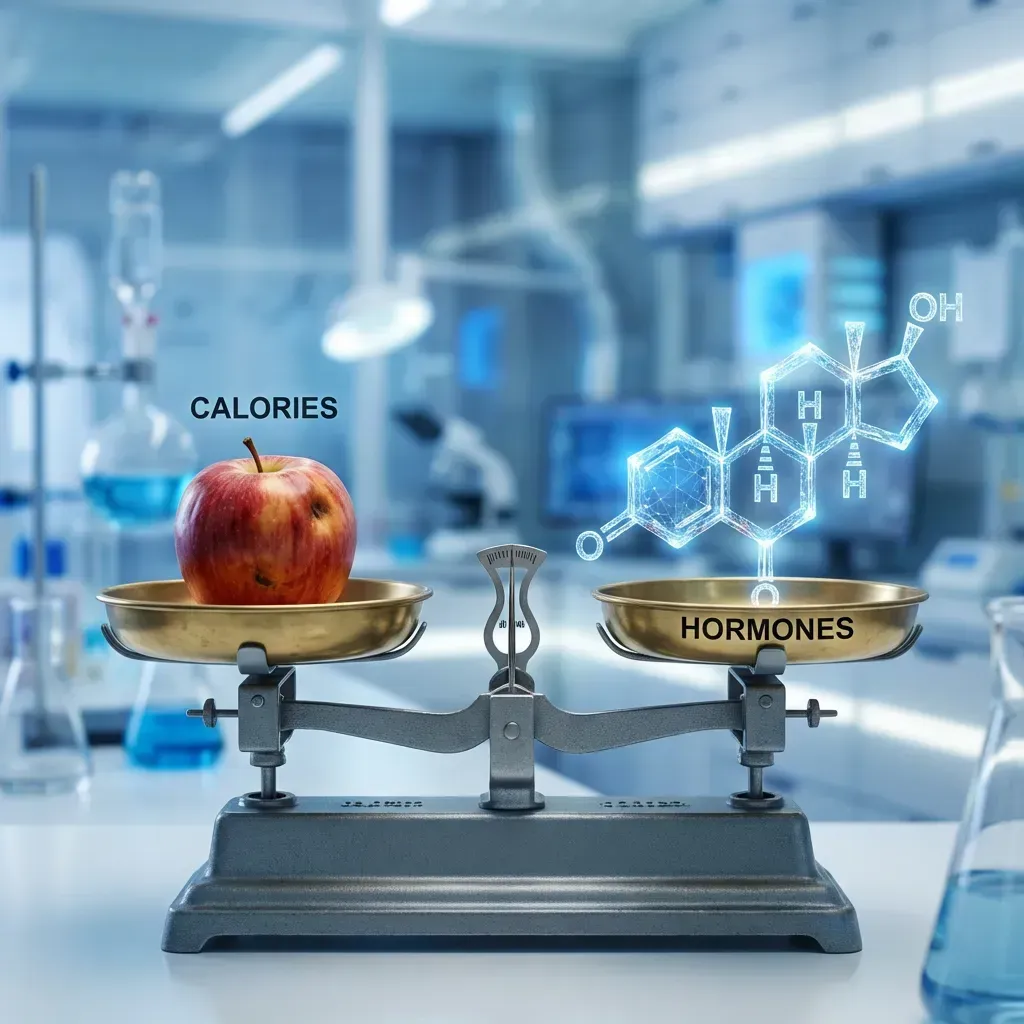
Calories don't control your weight. Hormones do. And once you understand the difference, everything changes.
Edition: Weight Loss & Fat Burning
21 February, 2026
In The News
Vol 1, Edition 2
The Real Reason You Can't Lose Weight - It Has Nothing to Do With Calories
Calories don't control your weight. Hormones do. And once you understand the difference, everything changes.

Published By: MAP30 Challenge
Authored By: John Shaw
You've been lied to.
Not maliciously, maybe. But systematically, repeatedly, and expensively. The diet industry has conditioned millions of people to believe that weight loss is a math problem — calories in, calories out. Eat less. Move more. Count your points. Track your portions. If you're not losing weight, you're not trying hard enough.
That narrative has a 95 percent long-term failure rate. And yet it generates billions of dollars every single year, because people keep coming back, convinced the problem is their willpower and not the system they've been handed.
I was one of those people. I tried every program you can name — low-fat, high-protein, point systems, meal replacements. I had the drive. I had the motivation. I followed the rules. And I kept failing. Not because I was weak, but because I was playing by the wrong rules entirely.
Published By: MAP30 Challenge
Authored By: John Shaw
You've been lied to.
Not maliciously, maybe. But systematically, repeatedly, and expensively. The diet industry has conditioned millions of people to believe that weight loss is a math problem — calories in, calories out. Eat less. Move more. Count your points. Track your portions. If you're not losing weight, you're not trying hard enough.
That narrative has a 95 percent long-term failure rate. And yet it generates billions of dollars every single year, because people keep coming back, convinced the problem is their willpower and not the system they've been handed.
I was one of those people.
What changed everything for me wasn't a new diet. It was understanding the biology that every one of those diets was ignoring. Once I understood how food actually works inside the human body — at the hormonal level — everything else clicked into place. The weight loss. The sustained energy. The absence of the relentless hunger that had defined every previous attempt.
This article is about that biology. Because if you've been struggling with your weight and you have the willpower but not the results, this is the missing piece.
What Actually Happens When You Eat
Here's something no point system or calorie app will ever tell you: the moment food enters your body, calories become irrelevant. What matters from that point forward is hormones.
When you consume any food — but particularly carbohydrates and sugar — your body breaks it down into glucose, which enters your bloodstream and raises your blood sugar level. Your pancreas detects this rise and releases a hormone called insulin. Insulin's job is to get that glucose out of your bloodstream and put it somewhere. Some of it gets burned immediately for energy. But the majority? It gets stored in your fat cells.
That's not a theory. That's not a fringe idea. That is the established, textbook function of insulin. It is, literally, the fat storage hormone.
Here's where it gets important: insulin doesn't care how many calories were in that meal. It doesn't consult your daily calorie budget before deciding whether to store fat. It simply responds to the type of food you ate and the hormonal signal that food created.
Consider this: a 2012 study published in The Journal of Clinical Investigation compared two groups of overweight adults who ate identical calorie-controlled diets. One group got 25 percent of their calories from glucose; the other got 25 percent from fructose.
The results?
The fructose group gained significantly more belly fat.
The fructose group became more insulin resistant.
The fructose group had higher triglyceride levels.
Same calories. Completely different metabolic outcomes. That's not a calorie difference — that's a hormone difference.
When you eat a high-carbohydrate breakfast—cereal, toast, a bagel, pancakes, orange juice—you are consuming the equivalent of roughly 10 to 15 teaspoons of sugar all at once. Your pancreas responds with a hard insulin spike to clear it. That insulin spike tells your fat cells to open up and store that energy. Then, as insulin clears the glucose from your blood, your blood sugar crashes — and with it goes your energy, your focus, and your ability to resist the next craving.
Translation: High insulin = fat storage ON, fat burning OFF. ⛔️
This is the blood sugar rollercoaster that most people ride every single day without realizing it. And it has nothing to do with how many calories were on the label.
The Argument That Ends the Calorie Debate
I want to share with you the single most compelling piece of evidence that dismantles the calorie theory of weight loss. It's not a study or a statistic. It's a simple biological fact that, once you understand it, makes the calories-in, calories-out argument impossible to defend.
Here's what the biology tells us: insulin is the primary hormone that allows energy to be stored in fat tissue. Without insulin signaling, that storage process simply cannot occur.
Consider the difference between a Type 1 and a Type 2 diabetic.
Type 2 diabetic.
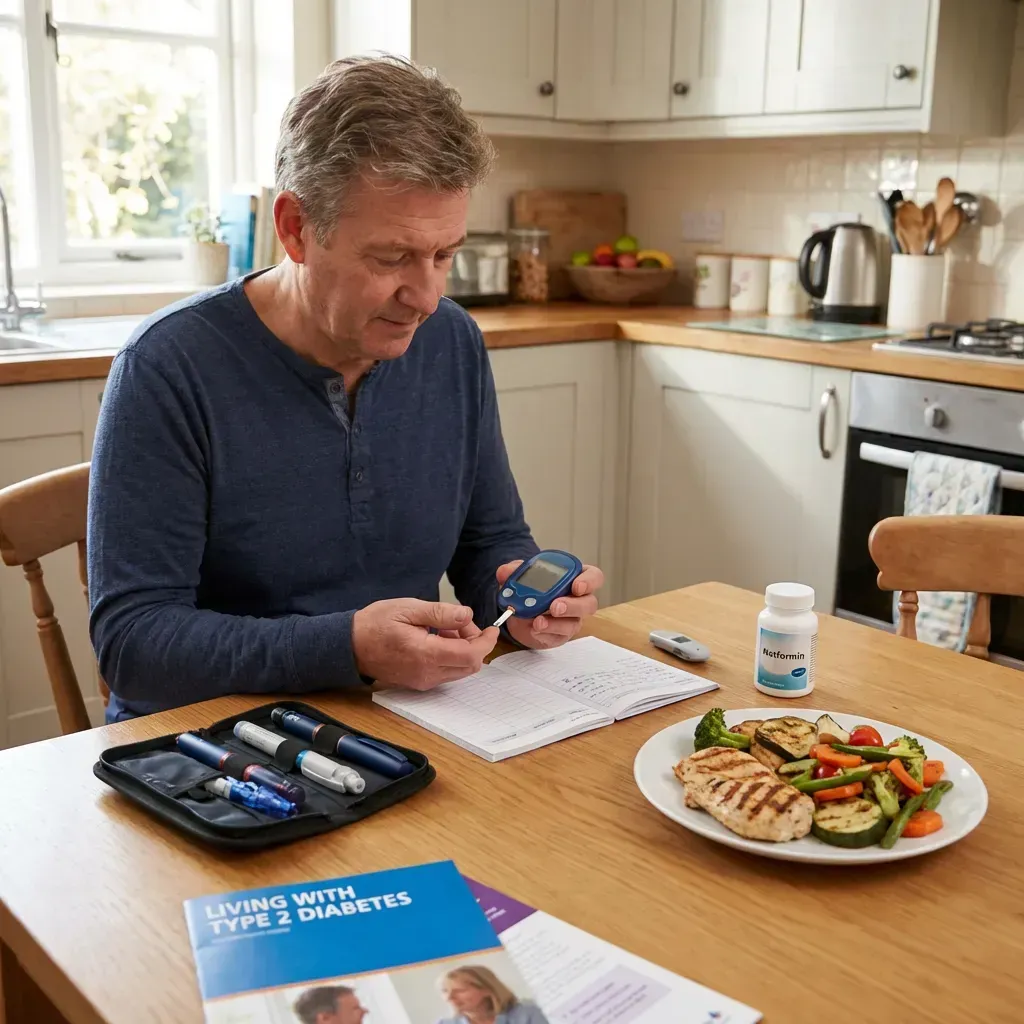
Type 2 diabetes develops over time through a process called insulin resistance. Years of eating high-carbohydrate foods cause repeated insulin spikes, and eventually your cells—particularly muscle cells—stop responding properly; they become resistant to insulin's signal. So, when the cells stop responding, insulin cannot do its job: getting glucose out of your bloodstream and storing it for energy. The pancreas keeps releasing more and more insulin, trying to force the process because it detects that blood glucose is still elevated. Eventually, the system breaks down. That's Type 2 diabetes—a condition driven almost entirely by diet and the resulting hormonal dysfunction.
Type 1 Diabetes
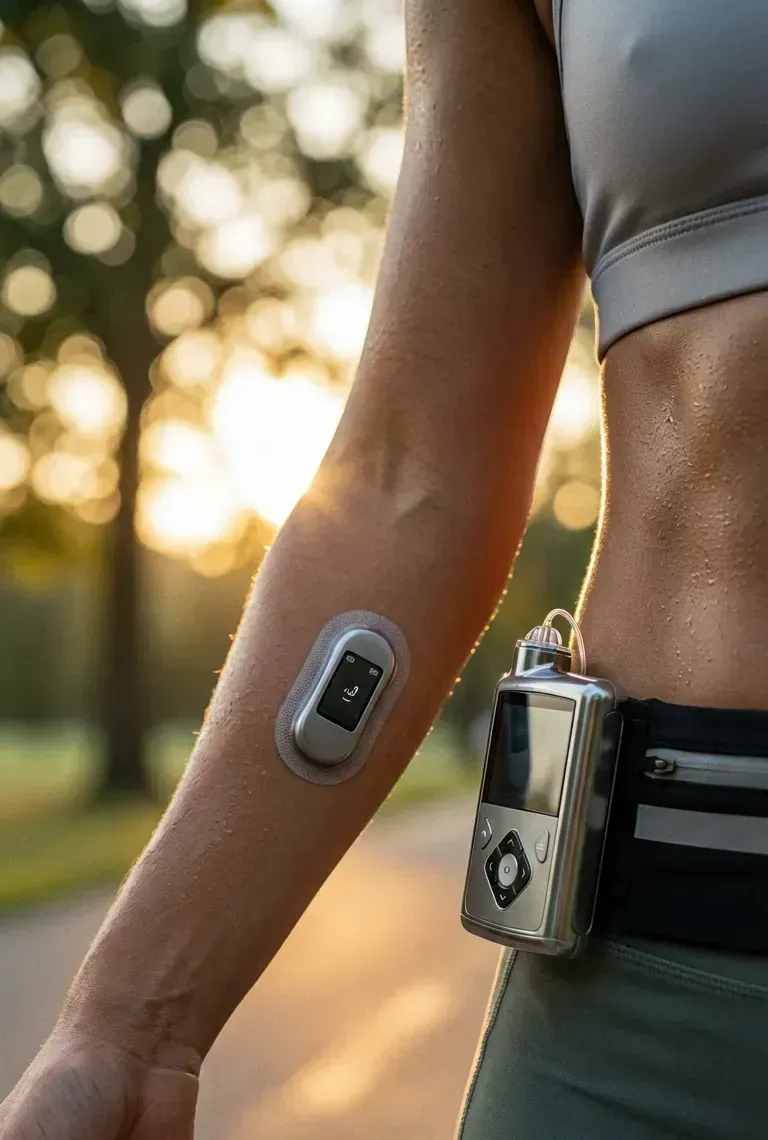
Type 1 diabetes is a completely different condition. In Type 1 diabetics, the beta cells in the pancreas — the cells responsible for producing insulin — essentially stop working. The body produces little to no insulin on its own.
This is why someone with untreated Type 1 diabetes — who produces little to no insulin — can consume massive amounts of calories without gaining weight. Even 6,000 calories or more cannot be stored in the fat cells without insulin signaling. The calories enter the body, but without the hormonal signal to store them, they cannot be deposited in fat tissue.
Now, let me be absolutely clear — I am not suggesting anyone with Type 1 diabetes stop taking their insulin. That would be dangerous. Insulin is essential medication, and managing it properly under medical supervision is critical.
But the underlying biology matters because it isolates the variable. If calories alone determined weight, those calories would have to show up somewhere on the body. The fact that they don't — because insulin isn't there to flip the storage switch — tells us something profound about how weight works. It tells us that hormones aren't just a factor. They're the factor.
Now flip the scenario. What if someone has perfectly normal caloric intake but chronically elevated insulin — caused by a diet high in sugar and refined carbohydrates? Their body is in near-constant fat storage mode. They could be eating a reasonable number of calories, following every conventional guideline, and still be gaining weight. Because insulin — not calorie math — is running the show.
This is why so many people who do everything right by conventional standards still can't lose weight. They're addressing the symptom while the root cause continues unchecked.
They Gave Fat Cells All the Calories They Wanted — Nothing Happened

And if you want laboratory proof, consider the research of Dr. Benjamin Bikman, one of the leading metabolic scientists at BYU studying how fat cells actually work at the cellular level.
Here's what his lab observed: fat cells were placed in a tiny plastic dish — called a Petri dish — about the size of a bottle cap. Scientists then bathed those cells in plenty of calories — glucose, fatty acids, all of it. The calories were right there. Abundant. Available.
The fat cells stayed small. Nothing happened.
And if you want laboratory proof, consider the research of Dr. Benjamin Bikman, one of the leading metabolic scientists at BYU studying how fat cells actually work at the cellular level.
Here's what his lab observed: fat cells were placed in a tiny plastic dish — called a Petri dish — about the size of a bottle cap.
Scientists then bathed those cells in plenty of calories — glucose, fatty acids, all of it. The calories were right there. Abundant. Available.
The fat cells stayed small. Nothing happened.

Until insulin was introduced.
The moment insulin entered that tiny dish, everything changed. The cells began to enlarge. They started filling with stored energy. Fat accumulation began — not because of the calories that were already there, but because of the insulin signal.
Read that again. The calories were already present. The fat storage didn't start until insulin showed up.
That's not a theory. That's something scientists could literally watch happen under a microscope in a dish smaller than your palm. And it confirms exactly what we've been talking about — calories don't drive fat storage. Insulin does. Without that hormonal signal, your body simply doesn't have the mechanism to store fat in the first place.
"A dish smaller than your palm" makes it visceral and real. (Health Coach)
What Happens When Insulin Drops
Now let's talk about the other side of the equation — fat burning.
When your body needs energy and you're not consuming food, your pancreas releases a different hormone called glucagon. While insulin is the key that unlocks the entrance to your fat cells to store energy, glucagon is the key that unlocks the exit — allowing stored fat to be released and burned for fuel.
Now, if you want the technical biochemistry, it's more accurate to say that low insulin creates the conditions for fat burning, and glucagon primarily signals the liver to release stored fat. But here's what matters for someone trying to understand their own body: when insulin drops, the door unlocks. The fat you've been carrying becomes accessible as fuel.
Call it glucagon. Call it fat oxidation. Call it whatever you want — the experience is the same: energy without constant eating, and weight that finally starts moving in the right direction.
Translation: Low insulin = fat storage OFF ⛔️, fat burning ON. ✅
Here's what's really driving your hunger behind the scenes: two hormones called leptin and ghrelin.
Ghrelin
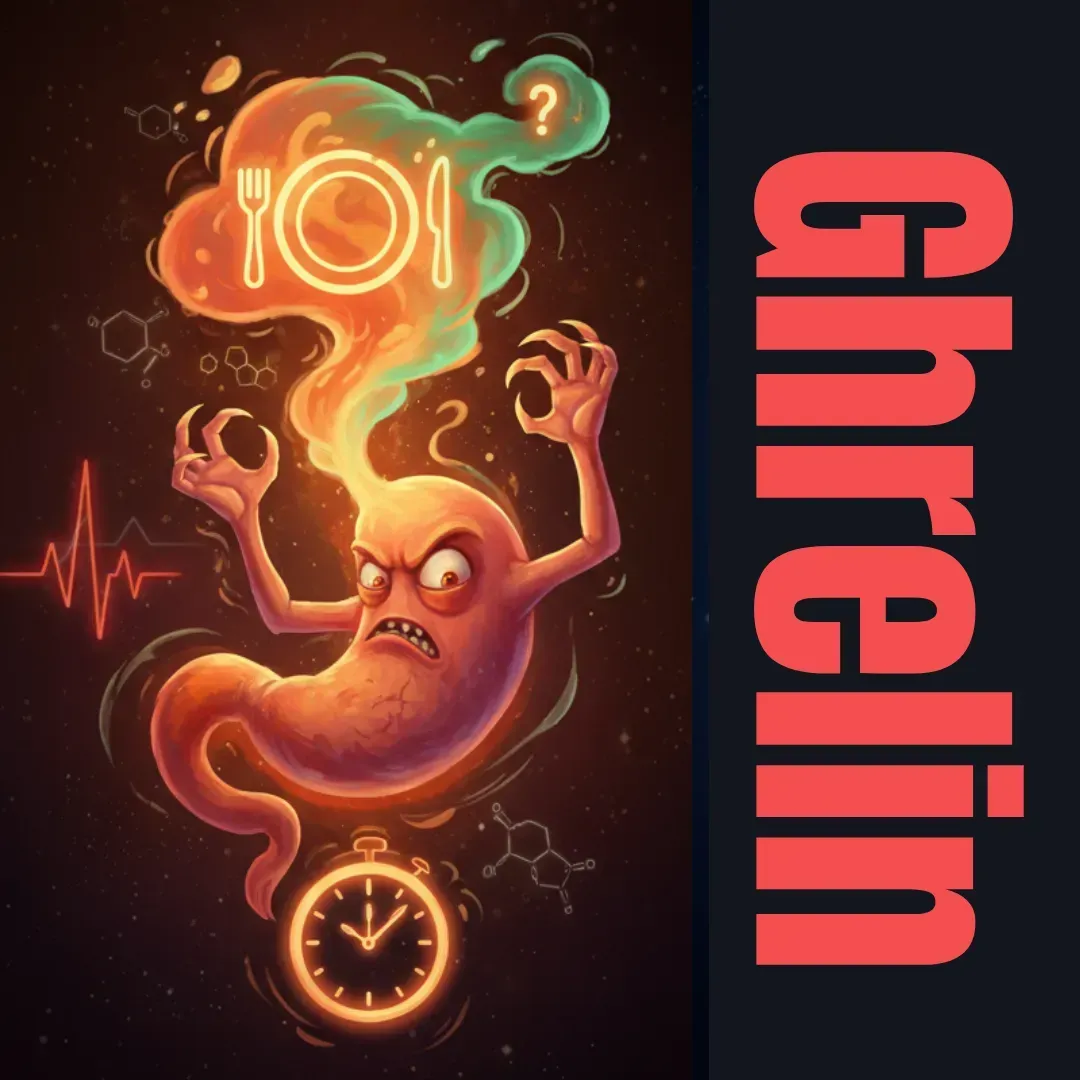
Ghrelin is your "I'm hungry" signal. It spikes when you restrict calories, which is why traditional dieting makes you feel ravenous all the time. Your stomach is literally screaming at your brain to find food. And your brain is not getting the signal from Leptin that you have plenty of stored energy in your fat cells.
Leptin
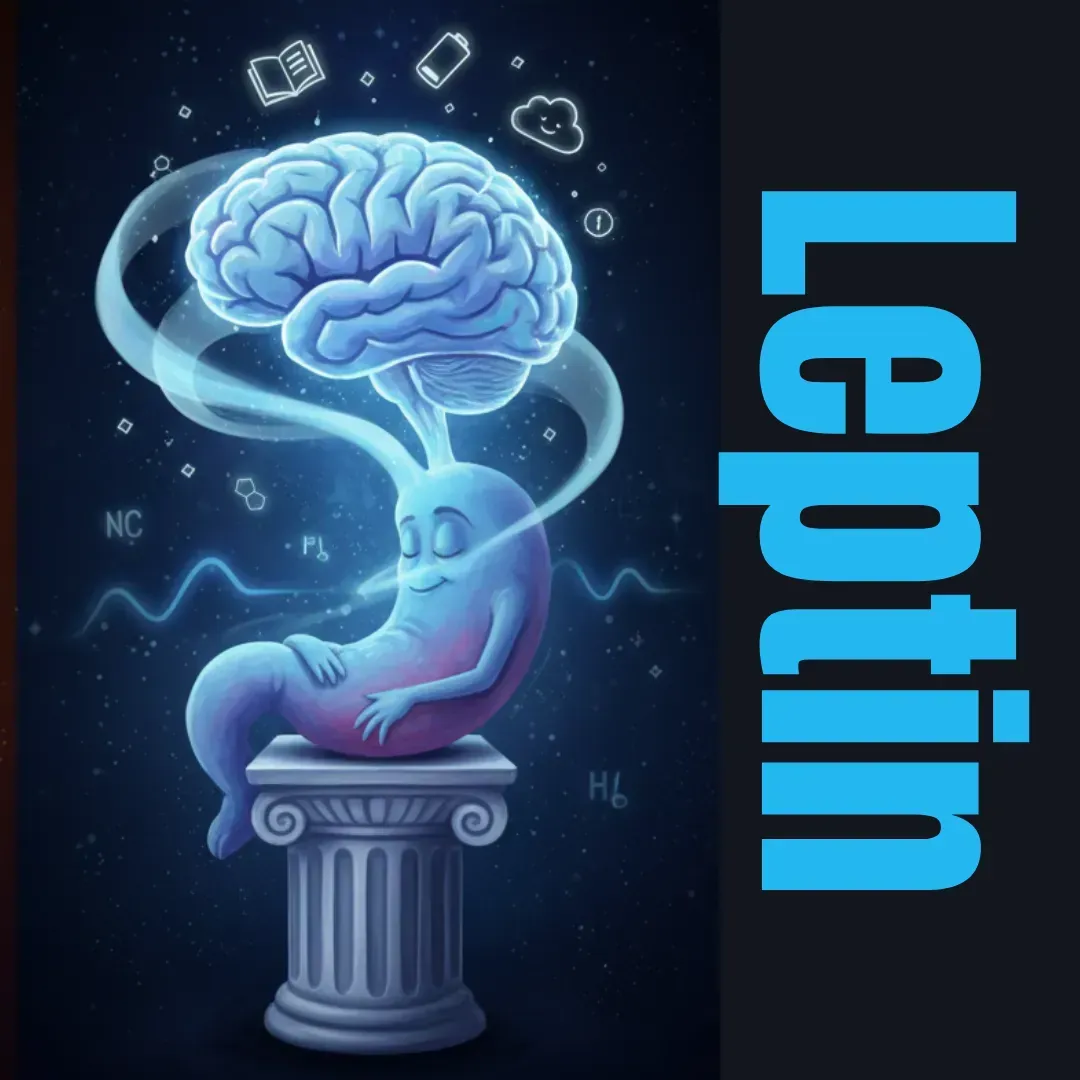
Leptin is your "I'm full" signal. It's produced by your fat cells and tells your brain when you've had enough to eat. But when insulin is chronically elevated, your brain stops listening — a condition called leptin resistance. You keep eating because your brain never gets the memo that you're actually full.
When you eliminate sugar and refined carbs, both hormones recalibrate. Leptin sensitivity returns. Ghrelin drops. You feel full on less food — naturally, without white-knuckling it.
This is the process your body is designed to use. It's not a hack or a trick. It's the biological system that allowed our ancestors to survive as hunter-gatherers when food wasn't always available. We were built to store energy when it's abundant and burn it when it's scarce. The problem is that the modern Western diet, with its constant stream of high-carbohydrate processed foods, keeps insulin elevated almost continuously — which means the exit door on your fat cells stays locked.
When you eliminate or dramatically reduce the foods that spike insulin — primarily sugar and foods that convert to sugar in the body — your insulin levels drop. And when insulin drops, your body shifts from fat-storage mode to fat-burning mode.
The fuel your body burns during this process is called ketones — produced when fat is broken down for energy. This is the metabolic state known as ketosis, and it's the scientific foundation behind why low-sugar, low-carbohydrate approaches to eating have shown such consistent results for metabolic health. Understanding how the body actually accesses and burns its stored fat — and what has been keeping the door locked — is the next step.
This is what was happening when I eliminated sugar for the first time. I wasn't starving myself. I wasn't grinding through hunger. My body finally had access to the enormous amount of stored energy it had been locked out of for years. At 294 pounds, I didn't need to eat food to have energy to burn — I had more than 150 pounds of stored fuel. I just needed to give my body the hormonal signal to access it.
I tried every program you can name — low-fat, high-protein, point systems, meal replacements. I had the drive. I had the motivation. I followed the rules. And I kept failing. Not because I was weak, but because I was playing by the wrong rules entirely.
What changed everything for me wasn't a new diet. It was understanding the biology that every one of those diets was ignoring. Once I understood how food actually works inside the human body — at the hormonal level — everything else clicked into place. The weight loss. The sustained energy. The absence of the relentless hunger that had defined every previous attempt.
This article is about that biology. Because if you've been struggling with your weight and you have the willpower but not the results, this is the missing piece.
What Actually Happens When You Eat
Here's something no point system or calorie app will ever tell you: the moment food enters your body, calories become irrelevant. What matters from that point forward is hormones.
When you consume any food — but particularly carbohydrates and sugar — your body breaks it down into glucose, which enters your bloodstream and raises your blood sugar level. Your pancreas detects this rise and releases a hormone called insulin. Insulin's job is to get that glucose out of your bloodstream and put it somewhere. Some of it gets burned immediately for energy. But the majority? It gets stored in your fat cells.
That's not a theory. That's not a fringe idea. That is the established, textbook function of insulin. It is, literally, the fat storage hormone.
Here's where it gets important: insulin doesn't care how many calories were in that meal. It doesn't consult your daily calorie budget before deciding whether to store fat. It simply responds to the type of food you ate and the hormonal signal that food created.
Consider this: a 2012 study published in The Journal of Clinical Investigation compared two groups of overweight adults who ate identical calorie-controlled diets. One group got 25 percent of their calories from glucose; the other got 25 percent from fructose.
The results?
The fructose group gained significantly more belly fat.
The fructose group became more insulin resistant.
The fructose group had higher triglyceride levels.
Same calories. Completely different metabolic outcomes. That's not a calorie difference — that's a hormone difference.
When you eat a high-carbohydrate breakfast—cereal, toast, a bagel, pancakes, orange juice—you are consuming the equivalent of roughly 10 to 15 teaspoons of sugar all at once. Your pancreas responds with a hard insulin spike to clear it. That insulin spike tells your fat cells to open up and store that energy. Then, as insulin clears the glucose from your blood, your blood sugar crashes — and with it goes your energy, your focus, and your ability to resist the next craving.
Translation: High insulin = fat storage ON, fat burning OFF. ⛔️
This is the blood sugar rollercoaster that most people ride every single day without realizing it. And it has nothing to do with how many calories were on the label.
The Argument That Ends the Calorie Debate
I want to share with you the single most compelling piece of evidence that dismantles the calorie theory of weight loss. It's not a study or a statistic. It's a simple biological fact that, once you understand it, makes the calories-in, calories-out argument impossible to defend.
Here's what the biology tells us: insulin is the primary hormone that allows energy to be stored in fat tissue. Without insulin signaling, that storage process simply cannot occur.
Consider the difference between a Type 1 and a Type 2 diabetic.
Type 2 diabetes
Type 2 diabetes develops over time through a process called insulin resistance. Years of eating high-carbohydrate foods cause repeated insulin spikes, and eventually your cells—particularly muscle cells—stop responding properly; they become resistant to insulin's signal. So, when the cells stop responding, insulin cannot do its job: getting glucose out of your bloodstream and storing it for energy. The pancreas keeps releasing more and more insulin, trying to force the process because it detects that blood glucose is still elevated. Eventually, the system breaks down. That's Type 2 diabetes—a condition driven almost entirely by diet and the resulting hormonal dysfunction.
Type 1 diabetes
Type 1 diabetes is a completely different condition. In Type 1 diabetics, the beta cells in the pancreas — the cells responsible for producing insulin — essentially stop working. The body produces little to no insulin on its own.
This is why someone with untreated Type 1 diabetes — who produces little to no insulin — can consume massive amounts of calories without gaining weight. Even 6,000 calories or more cannot be stored in the fat cells without insulin signaling. The calories enter the body, but without the hormonal signal to store them, they cannot be deposited in fat tissue.
Now, let me be absolutely clear — I am not suggesting anyone with Type 1 diabetes stop taking their insulin. That would be dangerous. Insulin is essential medication, and managing it properly under medical supervision is critical.
But the underlying biology matters because it isolates the variable. If calories alone determined weight, those calories would have to show up somewhere on the body. The fact that they don't — because insulin isn't there to flip the storage switch — tells us something profound about how weight works. It tells us that hormones aren't just a factor. They're the factor.
Now flip the scenario. What if someone has perfectly normal caloric intake but chronically elevated insulin — caused by a diet high in sugar and refined carbohydrates? Their body is in near-constant fat storage mode. They could be eating a reasonable number of calories, following every conventional guideline, and still be gaining weight. Because insulin — not calorie math — is running the show.
This is why so many people who do everything right by conventional standards still can't lose weight. They're addressing the symptom while the root cause continues unchecked.
They Gave Fat Cells All the Calories They Wanted — Nothing Happened
And if you want laboratory proof, consider the research of Dr. Benjamin Bikman, one of the leading metabolic scientists at BYU studying how fat cells actually work at the cellular level.
Here's what his lab observed: fat cells were placed in a tiny plastic dish — called a Petri dish — about the size of a bottle cap. Scientists then bathed those cells in plenty of calories — glucose, fatty acids, all of it. The calories were right there. Abundant. Available.
The fat cells stayed small. Nothing happened.
And if you want laboratory proof, consider the research of Dr. Benjamin Bikman, one of the leading metabolic scientists at BYU studying how fat cells actually work at the cellular level.
Here's what his lab observed: fat cells were placed in a tiny plastic dish — called a Petri dish — about the size of a bottle cap.
Scientists then bathed those cells in plenty of calories — glucose, fatty acids, all of it. The calories were right there. Abundant. Available.
The fat cells stayed small. Nothing happened.
Until insulin was introduced.
The moment insulin entered that tiny dish, everything changed. The cells began to enlarge. They started filling with stored energy. Fat accumulation began — not because of the calories that were already there, but because of the insulin signal.
Read that again. The calories were already present. The fat storage didn't start until insulin showed up.
That's not a theory. That's something scientists could literally watch happen under a microscope in a dish smaller than your palm. And it confirms exactly what we've been talking about — calories don't drive fat storage. Insulin does. Without that hormonal signal, your body simply doesn't have the mechanism to store fat in the first place.
"A dish smaller than your palm" makes it visceral and real. (Health Coach)
What Happens When Insulin Drops
Now let's talk about the other side of the equation — fat burning.
When your body needs energy and you're not consuming food, your pancreas releases a different hormone called glucagon. While insulin is the key that unlocks the entrance to your fat cells to store energy, glucagon is the key that unlocks the exit — allowing stored fat to be released and burned for fuel.
Now, if you want the technical biochemistry, it's more accurate to say that low insulin creates the conditions for fat burning, and glucagon primarily signals the liver to release stored fat. But here's what matters for someone trying to understand their own body: when insulin drops, the door unlocks. The fat you've been carrying becomes accessible as fuel.
Call it glucagon. Call it fat oxidation. Call it whatever you want — the experience is the same: energy without constant eating, and weight that finally starts moving in the right direction.
Translation: Low insulin = fat storage OFF ⛔️, fat burning ON. ✅30
Here's what's really driving your hunger behind the scenes: two hormones called leptin and ghrelin.
Ghrelin
Ghrelin is your "I'm hungry" signal. It spikes when you restrict calories, which is why traditional dieting makes you feel ravenous all the time. Your stomach is literally screaming at your brain to find food. And your brain is not getting the signal from Leptin that you have plenty of stored energy in your fat cells.
Leptin
Leptin is your "I'm full" signal. It's produced by your fat cells and tells your brain when you've had enough to eat. But when insulin is chronically elevated, your brain stops listening — a condition called leptin resistance. You keep eating because your brain never gets the memo that you're actually full.
When you eliminate sugar and refined carbs, both hormones recalibrate. Leptin sensitivity returns. Ghrelin drops. You feel full on less food — naturally, without white-knuckling it.
This is the process your body is designed to use. It's not a hack or a trick. It's the biological system that allowed our ancestors to survive as hunter-gatherers when food wasn't always available. We were built to store energy when it's abundant and burn it when it's scarce. The problem is that the modern Western diet, with its constant stream of high-carbohydrate processed foods, keeps insulin elevated almost continuously — which means the exit door on your fat cells stays locked.
When you eliminate or dramatically reduce the foods that spike insulin — primarily sugar and foods that convert to sugar in the body — your insulin levels drop. And when insulin drops, your body shifts from fat-storage mode to fat-burning mode.
The fuel your body burns during this process is called ketones — produced when fat is broken down for energy. This is the metabolic state known as ketosis, and it's the scientific foundation behind why low-sugar, low-carbohydrate approaches to eating have shown such consistent results for metabolic health.
This is what was happening when I eliminated sugar for the first time. I wasn't starving myself. I wasn't grinding through hunger. My body finally had access to the enormous amount of stored energy it had been locked out of for years. At 294 pounds, I didn't need to eat food to have energy to burn — I had more than 150 pounds of stored fuel. I just needed to give my body the hormonal signal to access it.
Why Willpower Is the Wrong Tool
🧠 Understanding this biology changes how you think about willpower entirely.
The people I've seen on point-based diet programs — Weight Watchers, Jenny Craig, Noom, and others — are often some of the most disciplined, motivated people you'll meet. They track every point. They plan every meal. They push through the hunger. And many of them still don't get lasting results.
That's not a willpower failure. That's what happens when you apply enormous discipline to a broken system.
If you want proof, look at the contestants from The Biggest Loser. These were people who did everything right — extreme calorie restriction, hours of daily exercise, maximum effort.

📊 A 2016 study followed them for six years after the show. The findings?
Thirteen of the fourteen had regained significant weight. Their metabolisms had permanently slowed — burning an average of 500 fewer calories per day than people of the same weight who had never dieted.
They didn't fail because they stopped trying. Their bodies were fighting back. And when you understand that, you realize willpower was never the answer.
Think about it this way. Imagine the most talented running back in football history. He's fast, he's strong, he's driven. But nobody ever explained the rules of the game to him. When the quarterback hands him the ball, he runs the wrong direction and scores a touchdown for the other team. You could tell him to try harder. You could question his commitment. Or you could teach him the rules of the game.
That's exactly the situation most people are in with their diet. They have the drive. They have the commitment. But they've been handed a rulebook built on a flawed premise — that weight is a calorie math problem — and no amount of effort can make a flawed system work long-term.
The solution isn't more willpower. It's better information.
The Role of the Food Pyramid
It's worth addressing where this flawed conventional wisdom came from, because it didn't happen by accident.
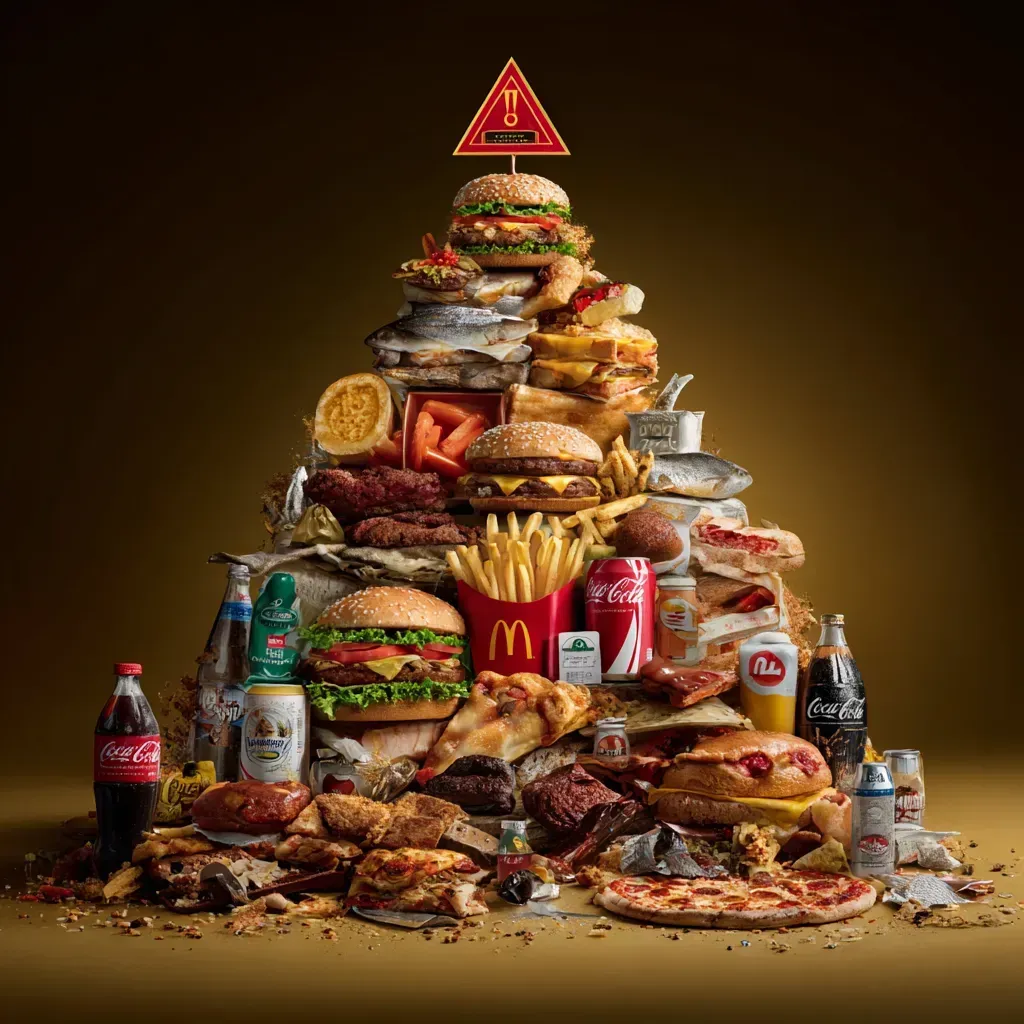
The modern dietary guidelines — including the food pyramid that shaped a generation of eating habits — shifted the American diet away from natural, whole foods and toward grains, processed carbohydrates, and low-fat products. Animal proteins and natural fats were cast as the enemy. Bread, cereal, and pasta were positioned as the foundation of a healthy diet.
The result was a nationwide dietary experiment that coincided almost exactly with the beginning of the obesity epidemic. When we stopped eating the natural foods our bodies were designed to process and started eating industrially processed carbohydrates at every meal, insulin resistance — and all the metabolic dysfunction that comes with it — became the norm rather than the exception.
Now, correlation isn't causation. I could stand here and tell you the food pyramid single-handedly caused the obesity epidemic, and you'd be right to ask for proof. But here's what we know: before those guidelines, Americans ate differently. After those guidelines, obesity rates began their steady climb.
Correlation Not Causation? What Does The Evidence Say?
Was it the only factor? No. But when you walk into the kitchen and find your kid with chocolate on their fingers and around their mouth and cookie crumbs everywhere, you don't need a randomized controlled trial to connect the dots between the missing half dozen chocolate chip cookies that were on the kitchen table and the evidence on your kid. You just know something changed.

The diet industry was born to solve a problem that the dietary guidelines helped create. And the solutions they offered — calorie restriction, portion control, point systems — never addressed the underlying hormonal dysfunction. They just gave people a way to feel like they were doing something, while the root cause went untouched. The science behind why calorie restriction fails — and why the math stops working over time — goes deeper than most people realize.
What the Science Actually Shows
If calorie counting were the key to weight loss, low-fat diets should consistently outperform low-carb diets. They don't.
A 2014 meta-analysis published in PLOS ONE reviewed 53 randomized controlled trials comparing low-fat and low-carbohydrate diets.
The findings?
Low-carb diets resulted in significantly greater weight loss than low-fat diets.
Low-carb diets improved HDL cholesterol and triglyceride levels.
Low-carb diets reduced fasting insulin levels.
And here's the kicker: participants on low-carb diets were not counting calories at all. They ate until they were full — and still lost more weight than the people meticulously tracking every calorie on low-fat diets.
Let that sink in. They ate more food and lost more weight. Because they weren't fighting their biology.
The Bottom Line: Biology Beats Math
The calorie model isn't entirely wrong — energy balance does matter. But it's incomplete.
Calories are one variable in a complex hormonal equation. If you ignore insulin, leptin, ghrelin, and metabolic adaptation, you're fighting an uphill battle. You can white-knuckle your way through 1,200-calorie meal plans and point systems, but your biology will push back.
The high failure rate of calorie-restricted dieting isn't a character flaw. It's a design flaw in the model itself.
What actually works?
Controlling insulin — eliminate sugar, reduce refined carbs, prioritize whole foods.
Eating to satiety — let hunger and fullness guide portion sizes, not a calculator.
Improving metabolic health — understand your insulin sensitivity, fasting glucose, and metabolic markers.
Restoring hormonal signaling — give leptin and ghrelin time to recalibrate.
When you address the root cause — hormonal dysregulation — weight loss becomes more sustainable. You're no longer fighting your biology with willpower alone.
What Changes When You Understand the Biology
Here's what I want you to take away from all of this.
When you understand that weight is a hormonal issue, not a calorie issue, everything changes. You stop fighting your hunger with willpower and start eliminating the foods that create that hunger in the first place. You stop counting numbers and start paying attention to the type of food you're eating and what it does to your insulin. You stop feeling guilty every time a diet fails and start recognizing that the system itself was flawed.
More importantly, you gain something that no point system can give you: the ability to troubleshoot. When you understand the biology, you know what to do if you hit a plateau. You know what to look for if something isn't working. You're not dependent on an app or a program to tell you what to eat — you understand the principles well enough to apply them in any situation.
My 294lb Wake Up Call
That's the foundation of the MAP30 Challenge. Not a list of foods to eat and avoid — though we have that too — but a genuine education in metabolic science that gives you the tools to manage your health for life.
I'll never be that 294-pound guy again. Not because I'm on a permanent restrictive diet, but because I understand now how this works. And once you understand it, you can't unlearn it.
That's the difference between a diet and an education. Stop counting. Start understanding.

This article is part of our Weight Loss & Fat Burning series. Weight Loss & Fat Burning
Why Willpower Is the Wrong Tool
🧠 Understanding this biology changes how you think about willpower entirely.
The people I've seen on point-based diet programs — Weight Watchers, Jenny Craig, Noom, and others — are often some of the most disciplined, motivated people you'll meet. They track every point. They plan every meal. They push through the hunger. And many of them still don't get lasting results.
That's not a willpower failure. That's what happens when you apply enormous discipline to a broken system.
If you want proof, look at the contestants from The Biggest Loser. These were people who did everything right — extreme calorie restriction, hours of daily exercise, maximum effort.
📊 A 2016 study followed them for six years after the show. The findings?
Thirteen of the fourteen had regained significant weight. Their metabolisms had permanently slowed — burning an average of 500 fewer calories per day than people of the same weight who had never dieted.
They didn't fail because they stopped trying. Their bodies were fighting back. And when you understand that, you realize willpower was never the answer.
Think about it this way. Imagine the most talented running back in football history. He's fast, he's strong, he's driven. But nobody ever explained the rules of the game to him. When the quarterback hands him the ball, he runs the wrong direction and scores a touchdown for the other team. You could tell him to try harder. You could question his commitment. Or you could teach him the rules of the game.
That's exactly the situation most people are in with their diet. They have the drive. They have the commitment. But they've been handed a rulebook built on a flawed premise — that weight is a calorie math problem — and no amount of effort can make a flawed system work long-term.
The solution isn't more willpower. It's better information.
The Role of the Food Pyramid
It's worth addressing where this flawed conventional wisdom came from, because it didn't happen by accident.
The modern dietary guidelines — including the food pyramid that shaped a generation of eating habits — shifted the American diet away from natural, whole foods and toward grains, processed carbohydrates, and low-fat products. Animal proteins and natural fats were cast as the enemy. Bread, cereal, and pasta were positioned as the foundation of a healthy diet.
The result was a nationwide dietary experiment that coincided almost exactly with the beginning of the obesity epidemic. When we stopped eating the natural foods our bodies were designed to process and started eating industrially processed carbohydrates at every meal, insulin resistance — and all the metabolic dysfunction that comes with it — became the norm rather than the exception.
Now, correlation isn't causation. I could stand here and tell you the food pyramid single-handedly caused the obesity epidemic, and you'd be right to ask for proof. But here's what we know: before those guidelines, Americans ate differently. After those guidelines, obesity rates began their steady climb.
Correlation Not Causation? What Does The Evidence Say?
Was it the only factor? No. But when you walk into the kitchen and find your kid with chocolate on their fingers and around their mouth and cookie crumbs everywhere, you don't need a randomized controlled trial to connect the dots between the missing half dozen chocolate chip cookies that were on the kitchen table and the evidence on your kid. You just know something changed.
The diet industry was born to solve a problem that the dietary guidelines helped create. And the solutions they offered — calorie restriction, portion control, point systems — never addressed the underlying hormonal dysfunction. They just gave people a way to feel like they were doing something, while the root cause went untouched.
What the Science Actually Shows
If calorie counting were the key to weight loss, low-fat diets should consistently outperform low-carb diets. They don't.
A 2014 meta-analysis published in PLOS ONE reviewed 53 randomized controlled trials comparing low-fat and low-carbohydrate diets.
The findings?
Low-carb diets resulted in significantly greater weight loss than low-fat diets.
Low-carb diets improved HDL cholesterol and triglyceride levels.
Low-carb diets reduced fasting insulin levels.
And here's the kicker: participants on low-carb diets were not counting calories at all. They ate until they were full — and still lost more weight than the people meticulously tracking every calorie on low-fat diets.
Let that sink in. They ate more food and lost more weight. Because they weren't fighting their biology.
The Bottom Line: Biology Beats Math
The calorie model isn't entirely wrong — energy balance does matter. But it's incomplete.
Calories are one variable in a complex hormonal equation. If you ignore insulin, leptin, ghrelin, and metabolic adaptation, you're fighting an uphill battle. You can white-knuckle your way through 1,200-calorie meal plans and point systems, but your biology will push back.
The high failure rate of calorie-restricted dieting isn't a character flaw. It's a design flaw in the model itself.
What actually works?
Controlling insulin — eliminate sugar, reduce refined carbs, prioritize whole foods.
Eating to satiety — let hunger and fullness guide portion sizes, not a calculator.
Improving metabolic health — understand your insulin sensitivity, fasting glucose, and metabolic markers.
Restoring hormonal signaling — give leptin and ghrelin time to recalibrate.
When you address the root cause — hormonal dysregulation — weight loss becomes more sustainable. You're no longer fighting your biology with willpower alone.
What Changes When You Understand the Biology
Here's what I want you to take away from all of this.
When you understand that weight is a hormonal issue, not a calorie issue, everything changes. You stop fighting your hunger with willpower and start eliminating the foods that create that hunger in the first place. You stop counting numbers and start paying attention to the type of food you're eating and what it does to your insulin. You stop feeling guilty every time a diet fails and start recognizing that the system itself was flawed.
More importantly, you gain something that no point system can give you: the ability to troubleshoot. When you understand the biology, you know what to do if you hit a plateau. You know what to look for if something isn't working. You're not dependent on an app or a program to tell you what to eat — you understand the principles well enough to apply them in any situation.
My 294lb Wake Up Call
That's the foundation of the MAP30 Challenge. Not a list of foods to eat and avoid — though we have that too — but a genuine education in metabolic science that gives you the tools to manage your health for life.
I'll never be that 294-pound guy again. Not because I'm on a permanent restrictive diet, but because I understand now how this works. And once you understand it, you can't unlearn it.
That's the difference between a diet and an education. Stop counting. Start understanding.
Latest Articles
How To Lower Cortisol
You’ve been told stress makes you eat more. That’s only part of the story. Cortisol directly instructs your body to store fat...
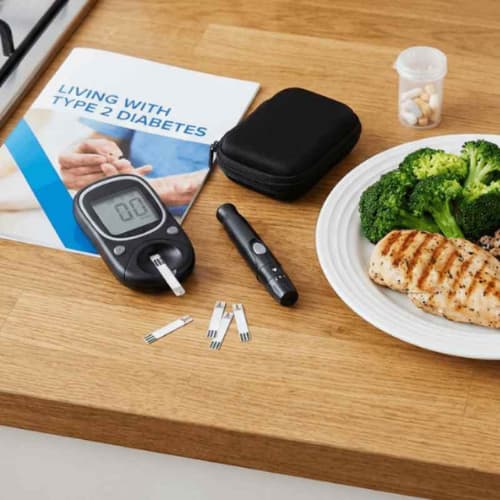
Type 2 Diabetes
Your A1C is below 6.5%. You're off medication. You feel better than you have in years. So why does your chart still say 'diabetes'? The answer...
Calorie Deficit
The calorie deficit model has been the foundation of weight loss advice for over a century. But millions of people follow it precisely — and still...

John Shaw
MAP30 Challenge
John Shaw is a Certified Nutrition Educator and the founder of the MAP30 Challenge. What began as a personal health journey at 294 pounds, and pre-diabetic, evolved into a structured 30-day metabolic reset program grounded in nutritional science. John's mission is simple: give people the biological education that the diet industry never did.
Follow Me On Social media


Disclaimer: This article is for educational purposes only and does not constitute medical advice. Individual results vary. Always consult your healthcare provider before making dietary changes, especially if you have a medical condition or take medications.
FAQ's
1. What is the actual failure rate of calorie-counting diets?
Research consistently shows that 80 to 95% of people who lose weight through calorie restriction regain it within one to five years. A landmark study following contestants from The Biggest Loser found that six years after the competition, nearly all had regained significant weight — and their metabolisms had permanently slowed. The failure rate is not a reflection of individual willpower; it is a predictable outcome of the metabolic mechanisms calorie counting ignores.
2. Why does calorie counting produce short-term results but fail long-term?
Calorie restriction triggers metabolic adaptation — a survival response in which the body reduces basal metabolic rate, decreases unconscious movement, and increases hunger hormones like ghrelin. In the short term, the deficit produces weight loss. But within weeks to months, the body has recalibrated its energy output to close the gap. The deficit disappears not because the person stopped trying, but because the body actively worked to eliminate it.
3. If calories matter, why doesn't calorie counting work?
Calories are real — thermodynamics applies to the human body. The problem is that calorie counting treats the "calories out" side of the equation as fixed when it isn't. Your metabolism is not a static machine; it is a dynamic hormonal system that responds to restriction. Additionally, calorie counts on food labels can be off by up to 20% under FDA rules, and the actual calories absorbed depend on food processing, fiber content, gut microbiome composition, and cooking method.
4. What do the most successful long-term weight loss approaches have in common?
The most durable weight loss outcomes are associated with approaches that work with hormonal signaling rather than against it — reducing refined carbohydrates to lower chronic insulin levels, prioritizing protein for its satiety and thermic effect, eating whole minimally processed foods, and in many cases using time-restricted eating to create natural periods of low insulin. These strategies tend to reduce appetite rather than requiring it to be continuously overridden.
5. Is the diet industry profiting from high failure rates?
Yes — and this is well documented. The U.S. diet industry generates approximately $70 billion annually. A product that delivered permanent results would eliminate repeat customers. The business model depends on cycling: customers lose weight, regain it, blame themselves, and return. The 95% failure rate is not a bug in the diet industry's model — it is the model. This is why the framing of weight loss as a personal responsibility and willpower issue is so aggressively maintained.
6. What should I do instead of counting calories?
Focus on food quality and hormonal signaling rather than arithmetic. Reduce ultra-processed foods and refined carbohydrates, which drive chronic insulin elevation and prevent fat burning regardless of calorie intake. Prioritize protein and fiber at each meal to extend satiety. Consider time-restricted eating to create natural windows of low insulin. Track how you feel — energy, hunger, sleep, cognitive clarity — rather than only the scale.
Sources
1. Bray GA, et al. (2012). "Fructose and risk of cardiometabolic disease." Current Atherosclerosis Reports. 14(6):570-8.
Available at: https://pubmed.ncbi.nlm.nih.gov/22949106/
2. Hall KD, et al. (2016). "Persistent metabolic adaptation 6 years after 'The Biggest Loser' competition." Obesity. 24(8):1612-9.
Available at: https://pubmed.ncbi.nlm.nih.gov/27136388/
3. American Diabetes Association: type 1 diabetes
https://diabetes.org/about-diabetes/type-1
4. Taubes, G. — Why We Get Fat: And What to Do About It: https://garytaubes.com/works/books/why-we-get-fat/
5. Harvard T.H. Chan School of Public Health — The Nutrition Source, Carbohydrates and Blood Sugar: https://nutritionsource.hsph.harvard.edu/
6. Dr Ben Bikman PhD: Hyperinsulinemia often precedes insulin resistance, not the other way around. High insulin can drive cells to become less responsive.(Ben Bikman PhD)
7. Fat cells themselves become insulin resistant first, a protective response when they enlarge too much. This changes how they handle glucose and influences whole-body metabolism.(Levels)

Let Me See The Ai Audit Report
I had the MAP30 course material audited and graded by 4 dirrerent Ai models. I was shocked by the grade. See what they had to say about the MAP30 course.

Jaabsha Marketing LLC | All rights reserved 2024 Terms Of Service