MAP30 Article Directory
Metabolic Health Article Library
Understanding metabolic health means looking beyond calories, diet trends, and willpower. The real drivers of weight gain, low energy, and chronic disease are metabolic — rooted in how your hormones, insulin, gut, and cellular systems function.
This library brings together evidence-based articles on the science behind metabolic health. Each article is organized by topic so you can go as deep as you need — whether you're just starting to explore insulin resistance, trying to understand why the scale stopped moving, or researching conditions like type 2 diabetes, metabolic syndrome, or fatty liver disease.
Browse the categories below. Every section contains articles written to explain the science clearly, without oversimplification and without selling you a diet plan.
Hormone & Metabolism
Hormones are the master regulators of metabolism. They control hunger, fat storage, blood sugar, and energy production. When hormonal signaling becomes disrupted — particularly through insulin resistance — the body begins to store more fat, burn less energy, and struggle to regulate blood sugar.
Understanding how hormones influence metabolism is the foundation for reversing metabolic dysfunction and restoring metabolic flexibility.
This section explores the science behind hormonal regulation, insulin resistance, and how metabolic pathways affect body weight and long-term health.

Gut Health & Recovery
The gut plays a central role in metabolic health, immune regulation, and inflammation. Disruptions in gut function can affect insulin sensitivity, nutrient absorption, and overall metabolic balance.
This section explores how gut health influences metabolism and how restoring gut function can support metabolic recovery.
Insulin & Blood Sugar
Blood sugar regulation is one of the most important indicators of metabolic health. Chronic elevations in insulin and glucose drive fat storage, inflammation, and eventually metabolic disease.
These articles explain how insulin works, why blood sugar spikes occur, and what metabolic changes happen as insulin resistance develops.
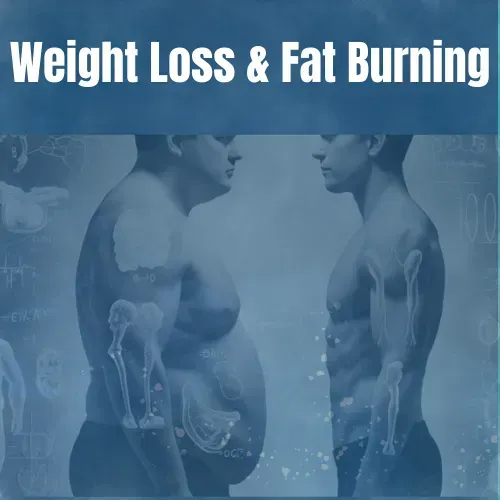
Weight Loss & Fat Burning
Weight loss is often framed as a simple matter of calories, but metabolism is far more complex. Hormones, insulin signaling, metabolic adaptation, and energy regulation all influence whether the body burns fat or stores it.
This section explores the science behind fat metabolism and why many traditional weight loss approaches fail.
Metabolic Disease
Many modern chronic diseases share the same underlying driver: metabolic dysfunction. Conditions like type 2 diabetes, fatty liver disease, and metabolic syndrome often develop gradually as insulin resistance progresses.
These articles explain how metabolic disease develops and what biological processes drive its progression.

Food, Sugar & Industry
The modern food environment has dramatically changed how humans eat. Highly processed foods, refined sugars, and engineered food products can disrupt natural hunger signals and metabolic regulation.
This section examines the science behind processed foods, sugar metabolism, and the role the food industry plays in shaping dietary habits.
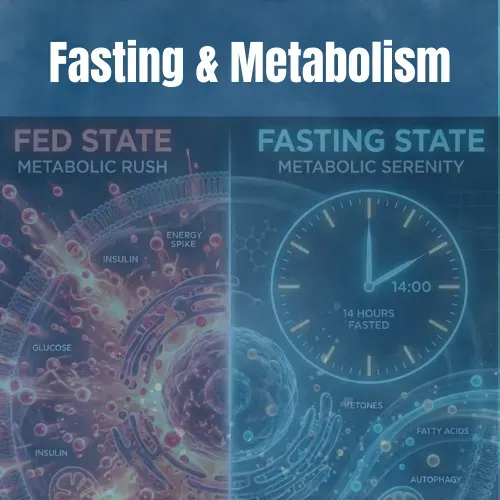
Fasting & Metabolism
Fasting has been practiced for centuries, but modern research is revealing how it affects metabolism at a cellular level. During fasting, the body shifts energy sources, activates fat burning, and begins cellular repair processes.
These articles explain how fasting influences metabolism, insulin sensitivity, and metabolic flexibility.

Most Read Article:
The Real Reason You Can't Lose Weight - It Has Nothing to Do With Calories
Calories don't control your weight. Hormones do. And once you understand the difference, everything changes.

📩 Join the Metabolic Health Newsletter
New articles, research insights, and metabolic health strategies delivered directly to your inbox.