MAP30 Article Directory
Return To Home Page →
Insulin & Blood Sugar
Blood sugar regulation is one of the most important indicators of metabolic health. Chronic elevations in insulin and glucose drive fat storage, inflammation, and eventually metabolic disease.
These articles explain how insulin works, why blood sugar spikes occur, and what metabolic changes happen as insulin resistance develops.

What Is Insulin Resistance — The Hidden Driver Behind Weight Gain and Metabolic Disease
You don't need a diabetes diagnosis to have insulin resistance. Millions of Americans are living with it right now — tired, foggy, struggling to lose weight, and getting the wrong answer from their doctor because nobody checked the right thing.
Here's what insulin resistance actually is, how to recognize it, and what the evidence says about reversing it.

How Insulin Blocks Fat Burning: Fat Storage vs. Fat Burning Explained
Your body is not broken. It is doing exactly what elevated insulin tells it to do — storing fat and refusing to release it. Understanding the insulin switch is the difference between fighting your metabolism and working with it.

Fasting and Insulin Resistance — The Blood Test That Catches the Problem Before Your A1C Does
Your A1C came back normal. Your fasting glucose looks fine. Your doctor said everything is okay. But you’re still gaining weight, still exhausted, still craving carbohydrates at 3pm. There’s a test that explains why — and most doctors never order it.

What Is HOMA-IR — The Test That Catches Insulin Resistance Years Before Your Doctor Will
Most people with insulin resistance have normal blood sugar. That's exactly why the standard blood sugar test misses it. HOMA-IR — a calculation using fasting insulin and fasting glucose — detects insulin resistance years before the damage becomes visible on a basic blood panel.
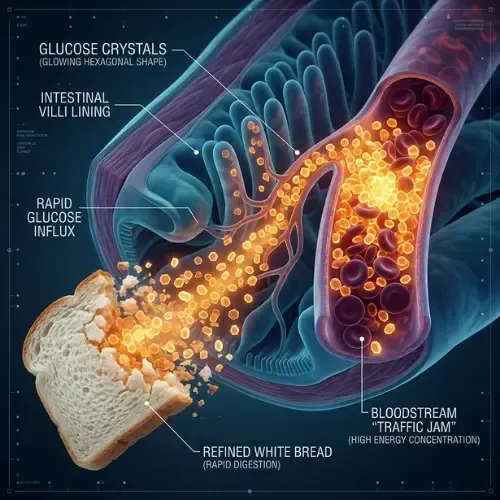
How Insulin Controls Blood Sugar — And Why Most People Have It Backwards
You eat two slices of white bread with lunch. You didn't add sugar to anything. But in the next 45 minutes, your blood sugar will spike higher than if you had eaten two teaspoons of table sugar. Here's exactly what happens — minute by minute — and why understanding it changes everything about how you eat.
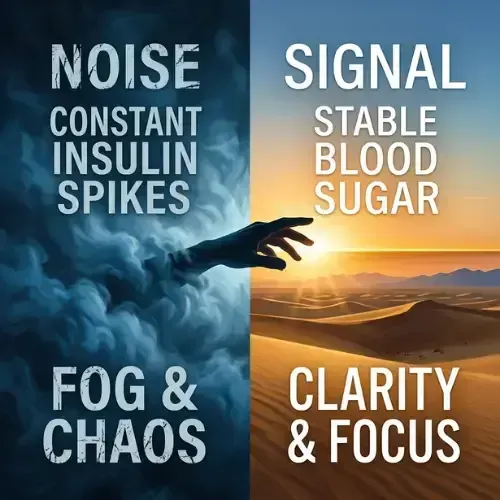
How a Low-Carb Diet Works — And Why It Doesn't Matter What You Call It
Keto. Low-carb. Carbohydrate restriction. Metabolic eating. The names change. The biology doesn't. When you stop sending your body the foods that spike insulin, something predictable happens — and it has nothing to do with which dietary tribe you belong to.

Most Read Article:
The Real Reason You Can't Lose Weight - It Has Nothing to Do With Calories
Calories don't control your weight. Hormones do. And once you understand the difference, everything changes.

📩 Join the Metabolic Health Newsletter
New articles, research insights, and metabolic health strategies delivered directly to your inbox.