Edition: Insulin & Blood Sugar
27 March, 2026
In The News
Vol 1, Edition 19
Fasting and Insulin Resistance — The Blood Test That Catches the Problem Before Your A1C Does
Your A1C came back normal. Your fasting glucose looks fine. Your doctor said everything is okay. But you’re still gaining weight, still exhausted, still craving carbohydrates at 3pm. There’s a test that explains why — and most doctors never order it.

Published By: MAP30 Challenge
Authored By: John Shaw
Your A1C came back normal. Your fasting glucose looks fine. Your doctor said everything is okay. But you’re still gaining weight, still exhausted, still craving carbohydrates at 3pm. There’s a test that explains why — and most doctors never order it.
A common assumption in standard medical care is that normal blood sugar means normal metabolism. The biology is more specific than that. Insulin can be chronically elevated — driving fat storage, suppressing fat burning, and silently damaging metabolic health — for years before blood glucose or A1C crosses a diagnostic threshold. The fasting insulin test is the marker that reveals what the standard panel misses. Understanding what it measures and what your result means is one of the most actionable things you can do for your metabolic health.
Why Your Standard Blood Panel Is Missing the Most Important Number
When you go in for an annual physical, the standard metabolic panel typically includes fasting glucose, HbA1c, a lipid panel, and basic organ function markers. What it almost never includes is fasting insulin. And that omission matters more than most people realize.
Fasting glucose tells you how much glucose is in your blood after an overnight fast. A1C tells you the three-month average of blood glucose. Both of these measure glucose — the downstream result. Neither one measures insulin — the upstream driver. And insulin is the variable that determines whether your metabolism is functioning normally or quietly breaking down.
Here is the clinical reality: insulin resistance typically develops over years, sometimes decades, before blood glucose rises into the prediabetic range. During that entire period, the pancreas is compensating — producing more and more insulin to overcome the resistance in muscle and liver cells. Blood glucose stays normal because the pancreas is working overtime to keep it there. But the elevated insulin itself is doing damage: promoting visceral fat storage, suppressing fat burning, elevating triglycerides, and laying the groundwork for the full metabolic syndrome cluster.
“Normal blood sugar does not mean normal metabolism. It can mean your pancreas is working twice as hard to produce normal results — and that compensatory effort has a limit.”
What the Fasting Insulin Test Actually Measures
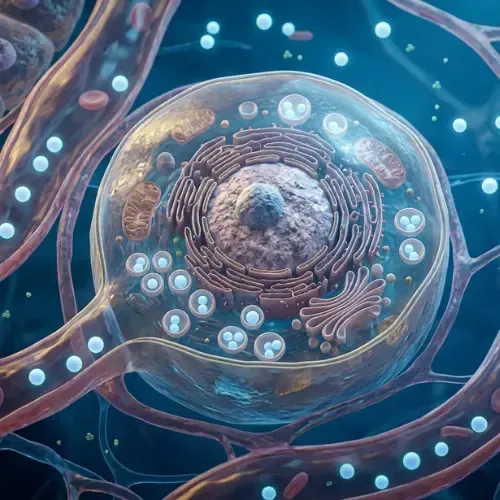
The fasting insulin test is exactly what it sounds like: a blood draw after an overnight fast (typically 8–12 hours) that measures the concentration of insulin in your bloodstream. It is a simple, inexpensive test that most commercial labs can perform. It is simply not part of the standard screening protocol in most primary care settings.
What the result tells you is how much insulin your pancreas needed to produce — while you were fasting, not eating, with no glucose coming in. In a metabolically healthy person, fasting insulin should be low. The cells are insulin-sensitive, so a small amount of insulin is sufficient to maintain normal glucose regulation overnight. In a person with developing insulin resistance, fasting insulin is elevated because the pancreas is producing excess insulin to compensate for cells that have stopped responding normally.
The clinical reference ranges vary by lab, but most functional medicine practitioners consider a fasting insulin above 10 μIU/mL to be a meaningful signal, with optimal levels generally below 6 μIU/mL. Standard lab reference ranges are often set much higher — sometimes up to 25 μIU/mL — because they reflect population averages rather than metabolic optimum. This is one of the reasons the test is underutilized: even when it is ordered, an elevated result may be reported as “normal” by lab standards while still reflecting significant metabolic dysfunction.
Chronically elevated insulin doesn't just show up on a blood test — it is the hormonal mechanism that determines whether your body burns stored fat or keeps it locked away.
CLINICAL STUDY — Hayashi T et al. (2003)
"Visceral adiposity and the risk of impaired glucose tolerance." Diabetes Care, 26(3), 650–655.
Research examining the progression from normal metabolism to impaired glucose tolerance found that fasting insulin elevation preceded measurable changes in fasting glucose by a significant margin. Subjects who later developed impaired glucose tolerance showed elevated fasting insulin years earlier, while their fasting glucose remained within the normal range — confirming that insulin is the earlier and more sensitive marker of metabolic dysfunction.
What This Means: By the time your fasting glucose or A1C flags a problem, insulin resistance has typically been present for years. Fasting insulin catches the dysfunction in its earlier, more reversible stage.
The HOMA-IR Score — What It Is and How to Calculate It
Fasting insulin becomes most clinically useful when combined with fasting glucose to calculate a score called HOMA-IR — Homeostatic Model Assessment of Insulin Resistance. This calculation was developed specifically to quantify the degree of insulin resistance from a simple fasting blood draw, without requiring the more invasive and expensive gold-standard test (the euglycemic clamp).
The formula is straightforward:
HOMA-IR = (Fasting Insulin μIU/mL × Fasting Glucose mg/dL) ÷ 405
A result of 2.0 or higher generally indicates insulin resistance
Most labs do not automatically calculate HOMA-IR even when both values are present on the same panel. You or your physician needs to run the calculation manually, or use one of the many free HOMA-IR calculators available online. The inputs required are simply your fasting insulin result and your fasting glucose result from the same blood draw.
Interpretation varies slightly by source, but the most widely used clinical benchmarks are:
Below 1.0 — optimal insulin sensitivity
1.0 to 1.9 — normal range, though the lower end of this range is metabolically preferable
2.0 to 2.9 — early insulin resistance; intervention at this stage is most effective
3.0 and above — significant insulin resistance; associated with elevated metabolic disease risk
The power of HOMA-IR is that it catches insulin resistance at the 2.0–2.9 stage — when the condition is real and measurable but before it has progressed to prediabetes or type 2 diabetes. That window is where dietary and lifestyle intervention produces the most dramatic and sustained results.
Fasting and Insulin Resistance — How Going Without Food Improves the Test
One of the most clinically meaningful interventions for improving fasting insulin and HOMA-IR scores is also one of the simplest: extending the daily fasting window. This is the metabolic mechanism behind intermittent fasting and time-restricted eating — and it works directly on the insulin side of the equation, not the calorie side.
When you stop eating, insulin levels begin to fall. The liver gradually depletes its glycogen stores and shifts toward releasing stored fat as fuel. The longer the fasting window, the more sustained the period of low insulin — and low insulin is the hormonal environment in which fat burning occurs, insulin sensitivity recovers, and the pancreas gets a period of reduced demand.
Research on intermittent fasting consistently shows meaningful reductions in fasting insulin within weeks of starting a regular fasting protocol. A 2019 review published in Obesity Reviews found that time-restricted eating reduced fasting insulin by an average of 20–31% across multiple trials, independent of caloric restriction. The mechanism is not calorie reduction — it is the sustained low-insulin period that allows cellular insulin sensitivity to recover.

U0001f52c CLINICAL STUDY — Sutton EF et al. (2018)
"Early Time-Restricted Feeding Improves Insulin Sensitivity, Blood Pressure, and Oxidative Stress Even without Weight Loss in Men with Prediabetes." Cell Metabolism, 27(6), 1212–1221.
Men with prediabetes following a time-restricted eating protocol showed significant improvements in insulin sensitivity, fasting insulin, and blood pressure after five weeks — without any change in body weight or caloric intake. The improvement was attributed entirely to the extended fasting period and its effect on insulin dynamics.
What This Means: Fasting improves insulin sensitivity through a mechanism that is independent of weight loss. Even before the scale moves, the metabolic environment is improving. This is why fasting insulin is a more sensitive early marker of metabolic improvement than body weight.
Can Intermittent Fasting Help With Insulin Resistance?
This is one of the most searched questions in metabolic health — and the clinical answer is a clear yes, with important nuance about how and why it works.
Intermittent fasting reduces insulin resistance through three overlapping mechanisms. First, it creates sustained periods of low insulin that allow muscle and liver cells to restore their sensitivity to insulin’s signal — the same way rest restores sensitivity to other physiological signals. Second, it promotes the depletion of liver glycogen and visceral fat stores, both of which are primary drivers of hepatic insulin resistance. Third, it reduces postprandial insulin spikes by compressing the eating window, which means the pancreas experiences fewer total insulin demands over the course of a day.
The practical protocol that research supports most consistently is a 12–16 hour daily fasting window. For most people, this means finishing dinner by 7 or 8pm and not eating until 11am or noon the following day. This is not extreme fasting — it is a compression of the eating window that allows insulin to drop for a sustained period each day.
Why This Matters for the MAP30 Audience
If you have been told your labs are normal but you cannot lose weight, cannot access your energy stores, and experience the symptoms of insulin resistance — fatigue after meals, carbohydrate cravings, visceral fat that won’t move — a fasting insulin test is the single most actionable thing you can do next. It gives you a number. That number tells you whether the metabolic dysfunction is real and measurable. And if it is, the intervention is clear: reduce carbohydrate load, extend the daily fasting window, and retest in 60–90 days.
Why Fasting Improves Insulin Sensitivity — The Mechanism

Understanding why fasting improves insulin sensitivity requires understanding what causes insulin resistance in the first place. The primary driver in the context of a modern Western diet is chronic insulin elevation — the result of eating high-glycemic foods frequently throughout the day, which keeps insulin elevated almost continuously and prevents cells from ever experiencing the low-insulin environment they need to maintain sensitivity.
Think of it like volume on a speaker. If the volume is turned up to maximum all day, every day, your ears adapt — they become less sensitive to the sound. Turn the volume down for a sustained period and sensitivity recovers. Insulin works the same way. Chronically elevated insulin downregulates the insulin receptors on cell surfaces, reducing their responsiveness. Sustained periods of low insulin — achieved through fasting or carbohydrate restriction — allow receptor expression to recover.
This is why fasting insulin is not just a diagnostic marker but a treatment target. Improving the score is the goal, not just knowing it. And the interventions that improve fasting insulin — carbohydrate reduction, extended fasting windows, resistance exercise, quality sleep, and visceral fat reduction — are the same interventions that address every other element of metabolic syndrome simultaneously.
“Fasting insulin is not just a number on a lab report. It is a direct window into whether your metabolism is in fat-storage mode or fat-burning mode — and it changes in response to what you eat and how long you fast.”
How to Get the Test and What to Ask Your Doctor
Ordering a fasting insulin test is straightforward, but it requires being proactive because it is not part of the standard annual panel in most primary care settings.
What to ask for:
Ask your physician to add “fasting insulin” to your next fasting blood draw. If your physician orders a standard metabolic panel or lipid panel, fasting insulin can typically be added to the same blood draw at minimal additional cost. Most commercial labs — Quest, LabCorp, and others — offer fasting insulin as a standalone test.
What to fast before the test:
A minimum 8-hour fast is required, and 10–12 hours is preferable for the most accurate result. Water is fine. Coffee and other beverages that affect insulin should be avoided. The test should be done in the morning after an overnight fast for consistency.
How to interpret your result:
Ask for the actual number, not just whether it falls within the lab’s reference range. Lab reference ranges for fasting insulin are often set based on population averages and may flag results as normal that functional medicine practitioners would consider elevated. A result above 10 μIU/mL warrants attention. A result above 15 μIU/mL alongside a fasting glucose in the 90–99 range produces a HOMA-IR score of 3.0 or higher — significant insulin resistance by most clinical definitions.
What to do with the result:
If your HOMA-IR is 2.0 or above, you have a measurable baseline and a clear intervention target. Retest after 60–90 days of dietary change and extended fasting windows. The number is expected to improve, and tracking it gives you objective feedback on whether the intervention is working — independent of what the scale says.
Key Takeaway: The Fasting Insulin Test Is the Starting Point
Most metabolic health interventions are undertaken without a baseline. People change their diet, start fasting, and judge results by the scale — which is an unreliable metabolic marker. Fasting insulin gives you a direct window into the hormonal environment. It tells you where you are starting from, how severe the dysfunction is, and whether the intervention is working. It is the most actionable single test in metabolic health that most people have never had.
What This Means for the MAP30 Challenge
The MAP30 Challenge is built around addressing the root cause of metabolic dysfunction — insulin resistance — rather than managing its symptoms. The dietary framework reduces carbohydrate load, which lowers the insulin demand that drives resistance. The meal timing framework extends the daily fasting window, which creates the sustained low-insulin periods that allow insulin sensitivity to recover. The movement protocol includes resistance exercise, which directly improves insulin sensitivity in skeletal muscle.
If you have a fasting insulin result above 2.0 HOMA-IR, MAP30 is designed specifically for that metabolic state. And if you have never tested, getting a baseline before you start — and retesting at 30 days — gives you objective evidence of what the protocol is doing to your hormonal environment, independent of body weight.
The scale is a lagging indicator. Fasting insulin is a leading one. It tells you what is happening inside the metabolism before it shows up anywhere else.
⚠️ Medical Disclaimer:
The information in this article is for educational purposes only and does not constitute medical advice. Nothing here should be interpreted as a recommendation to change, stop, or start any medication, treatment, or diagnostic protocol. Always consult a qualified healthcare provider before ordering or interpreting lab tests or making changes to your diet or health management. Individual results vary.
This article is part of our Insulin & Blood Sugar series
Latest Articles

How to Burn Fat
You've been told your body runs on carbohydrates. That's only half the story. Understanding how ketones work in the body — and how to burn fat as fuel...

High Fructose Corn Syrup
The bigger question is not how many calories are in a soda. It is whether high fructose corn syrup is bad for you — and what repeated fructose exposure...

Insulin Blocks Fat Burning
A first-of-its-kind lawsuit filed on behalf of the People of California accuses the country's largest food companies of knowingly engineering...

John Shaw
MAP30 Challenge
John Shaw is a Certified Nutrition Educator and the founder of the MAP30 Challenge. What began as a personal health journey at 294 pounds, and pre-diabetic, evolved into a structured 30-day metabolic reset program grounded in nutritional science. John's mission is simple: give people the biological education that the diet industry never did.

FAQ's
1. What is a fasting insulin test?
A fasting insulin test is a blood draw taken after an 8–12 hour overnight fast that measures the concentration of insulin in your bloodstream. Unlike fasting glucose or A1C, which measure blood sugar, the fasting insulin test measures the hormone your pancreas is producing to manage that blood sugar. Elevated fasting insulin — even with normal glucose — is one of the earliest and most reliable indicators of developing insulin resistance.
2. What is a normal fasting insulin level?
Standard lab reference ranges vary but often extend up to 25 μIU/mL, which reflects population averages rather than metabolic optimum. Most functional medicine practitioners consider a fasting insulin below 6 μIU/mL to be optimal, with levels above 10 μIU/mL warranting attention. A result above 15 μIU/mL alongside a fasting glucose in the 90–99 mg/dL range produces a HOMA-IR score above 3.0, indicating significant insulin resistance.
3. What is HOMA-IR and how do I calculate it?
HOMA-IR (Homeostatic Model Assessment of Insulin Resistance) is a score calculated from fasting insulin and fasting glucose that quantifies the degree of insulin resistance. The formula is: fasting insulin (μIU/mL) multiplied by fasting glucose (mg/dL), divided by 405. A score below 1.0 indicates optimal insulin sensitivity. A score of 2.0 or above indicates insulin resistance. A score of 3.0 or above indicates significant insulin resistance.
4. Can intermittent fasting help with insulin resistance?
Yes. Intermittent fasting reduces insulin resistance through three mechanisms: it creates sustained low-insulin periods that allow cells to restore insulin sensitivity; it depletes liver glycogen and reduces visceral fat; and it compresses the eating window, reducing total daily insulin demand. A 2018 Cell Metabolism study by Sutton et al. found that time-restricted eating improved insulin sensitivity significantly in five weeks, independent of any change in body weight or calorie intake.
5. Why does fasting improve insulin sensitivity?
Insulin resistance develops when cells are chronically exposed to elevated insulin and downregulate their insulin receptors. Sustained periods of low insulin, achieved through fasting or carbohydrate restriction, allow receptor expression to recover. Fasting also promotes depletion of ectopic fat in the liver and muscle — primary sites of insulin resistance — further improving cellular responsiveness to insulin.
6. How do I get a fasting insulin test?
Ask your physician to add fasting insulin to your next fasting blood draw. It can typically be added to a standard metabolic or lipid panel at the same appointment. Fast for 10–12 hours beforehand, avoid coffee and anything beyond water, and ask for the actual numeric result rather than just whether it falls within the lab reference range, as standard ranges are often set higher than metabolic optimum.
Sources
Hayashi T et al. — "Visceral adiposity and the risk of impaired glucose tolerance" (Diabetes Care, 2003)
https://pubmed.ncbi.nlm.nih.gov/12610015/
Sutton EF et al. — "Early Time-Restricted Feeding Improves Insulin Sensitivity" (Cell Metabolism, 2018)
https://pubmed.ncbi.nlm.nih.gov/29754952/
Cioffi I et al. — "Intermittent versus continuous energy restriction on weight loss and cardiometabolic outcomes" (Journal of Translational Medicine, 2018)
https://pubmed.ncbi.nlm.nih.gov/30583725/
Matthews DR et al. — "Homeostasis model assessment: insulin resistance and beta-cell function from fasting plasma glucose and insulin concentrations in man" (Diabetologia, 1985)
https://pubmed.ncbi.nlm.nih.gov/3899825/
Reaven GM — "Banting Lecture 1988: Role of insulin resistance in human disease" (Diabetes, 1988)
https://pubmed.ncbi.nlm.nih.gov/3056758/
American Diabetes Association — Standards of Medical Care in Diabetes

Let Me See The Ai Audit Report
I had the MAP30 course material audited and graded by 4 dirrerent Ai models. I was shocked by the grade. See what they had to say about the MAP30 course.

Jaabsha Marketing LLC | All rights reserved 2024 Terms Of Service