MAP30 Article Directory
Return To Home Page →
Fasting & Metabolic Reset
Fasting & Metabolism Articles
Fasting is one of the oldest metabolic tools available — and one of the most misunderstood.
For decades, eating less and eating more often was promoted as the path to better health and weight loss. But the science tells a more complex story. Fasting doesn't just reduce calorie intake. It changes how your body produces energy, how your cells repair themselves, and how your hormones regulate hunger and fat storage.
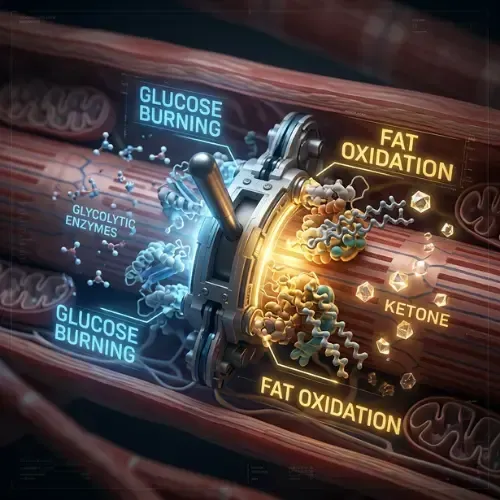
When you fast, insulin levels drop. With lower insulin, the body shifts from burning glucose to burning stored fat. This metabolic switch — from a fed state to a fasted state — triggers a cascade of biological processes that go far beyond weight loss. Cellular cleanup (autophagy) accelerates. Growth hormone increases. Inflammation markers decrease. Mitochondrial function improves.
These aren't fringe claims. They're mechanisms backed by decades of research — research that has largely been ignored by conventional diet advice.
The articles in this section cover the science of fasting and metabolic reset in plain language. You'll find explanations of how intermittent fasting works at a cellular level, why the timing of eating matters as much as what you eat, and how fasting affects specific metabolic conditions like insulin resistance, type 2 diabetes, and fatty liver disease.
Whether you're new to fasting or looking to understand the biology behind it more deeply, this section is built to give you clear, evidence-based answers.

Intermittent Fasting: The Science of Going Without Food
Most people think fasting is about willpower. The biology tells a different story. When you stop eating, your body doesn't go into starvation mode — it goes into repair mode. Here's what actually happens, hour by hour, and why it matters for insulin resistance, fat burning, and metabolic reset.

24-Hour Fasting Benefits — What Actually Happens When You Fast for a Full Day
A 16-hour fast and a 24-hour fast are not just different in duration — they produce different metabolic events. Here's what changes in that second half of the day, why the growth hormone response at 24 hours is one of the most significant hormonal events in fasting, and how to use a 24-hour fast without making it harder than it needs to be.

Water Fasting — What Happens to Your Body When You Stop Eating Entirely
Most people have fasted for 16 hours and called it intermittent fasting. Water fasting is a different thing entirely. When there is no caloric load at all, the digestive system shuts down and the body enters a metabolic state most people have never experienced. Here's what actually happens — and what to expect if you try it.
Can Intermittent Fasting Help With Insulin Resistance? Here's What the Science Shows
Intermittent fasting is the most talked-about dietary intervention of the past decade. But most of the conversation focuses on weight loss. The more important question — and the one with the most compelling science behind it — is what fasting does to insulin resistance. Here's the mechanism, what the research shows, and how to use it.

Time-Restricted Eating vs. Calorie Restriction: Does When You Eat Matter More Than How Much?
Two people eat the same foods and the same number of calories. One eats across a 12-hour window. The other compresses everything into 6 hours. Three months later, their metabolic markers have diverged — not because of what they ate, but because of when.

The Metabolic Switch: How Your Body Shifts From Burning Sugar to Burning Fat
Fasting and Insulin Resistance: What the Research Actually Shows

Most Read Article:
The Real Reason You Can't Lose Weight - It Has Nothing to Do With Calories
Calories don't control your weight. Hormones do. And once you understand the difference, everything changes.

📩 Join the Metabolic Health Newsletter
New articles, research insights, and metabolic health strategies delivered directly to your inbox.