Edition: Fasting & Metabolic Reset
31 March, 2026
In The News
Vol 1, Edition 24
24-Hour Fasting Benefits — What Actually Happens When You Fast for a Full Day
A 16-hour fast and a 24-hour fast are not just different in duration — they produce different metabolic events. Here's what changes in that second half of the day, why the growth hormone response at 24 hours is one of the most significant hormonal events in fasting, and how to use a 24-hour fast without making it harder than it needs to be.

Published By: MAP30 Challenge
Authored By: John Shaw
Most people who practice intermittent fasting are working in the 14 to 16 hour range. Stop eating after dinner, delay breakfast, let insulin fall. That window produces real metabolic benefits — improved insulin sensitivity, meaningful autophagic activation, fat oxidation during the overnight hours. It works.
A 24-hour fast is a different protocol entirely. Not simply more of the same, but a window that crosses several physiological thresholds that a 16-hour fast does not reach. Glycogen is fully depleted. Growth hormone — which begins rising during any fast — reaches peak levels that would not occur in a shorter window. Autophagy deepens past the point accessible in a standard intermittent fasting protocol. The metabolic state at hour 24 is qualitatively different from the metabolic state at hour 16, and understanding why changes how you think about using it.
"A 24-hour fast is not a punishment. It is a specific metabolic tool with specific physiological effects — some of which are only accessible at that duration. Understanding what it does makes it easier to do."
What Makes a 24-Hour Fast Different From a 16-Hour Window
By hour 16 of a fast, the body has completed the initial metabolic transition. Liver glycogen is largely depleted. Insulin has reached its basal level. Ketone production has begun. Fat oxidation is the primary fuel pathway. These are meaningful changes — and they are also the same changes the body has made at hour 16 of every 16:8 intermittent fasting day.
What happens between hour 16 and hour 24 is a deepening rather than a repetition. Think of the first 16 hours as the warm-up lap and the final eight hours as the race the warm-up was preparing for. The metabolic machinery is now fully engaged. Glycogen stores that might have had residual glucose at hour 16 are fully cleared by hour 20. The liver is now running entirely on fat for ketone production. And the hormonal environment that was shifting begins producing effects that only emerge with sustained low insulin — most significantly, the growth hormone response.
Growth hormone — which plays a critical role in lean tissue preservation, fat mobilization, and cellular repair — begins rising significantly during fasting and reaches its peak in the 20 to 24 hour range. This is not a gradual background elevation. Research has documented increases of up to 2000% above baseline during prolonged fasting in healthy adults — a surge specifically triggered by the sustained low-insulin, low-glucose environment that a 24-hour fast creates. This single hormonal event is the reason why the concern about muscle loss during fasting is largely unfounded. The body is not breaking down lean tissue — it is actively protecting it.
What Happens to Your Body Hour by Hour During a 24-Hour Fast
Understanding the progression makes the experience of a 24-hour fast predictable rather than mysterious. Each phase has a distinct biological story, and knowing what is happening in the body during each one changes how the discomfort or absence of it is interpreted.
Hours 0 to 12 are familiar territory for anyone who has practiced intermittent fasting. The body is burning through the glucose from the last meal, then drawing on liver glycogen as blood glucose falls. Insulin is declining. By the end of this phase, the initial metabolic transition is underway but not complete. Most people feel minimal discomfort in this window — it overlaps with sleep for a dinner-to-dinner fast.
Hours 12 to 18 are the transition window. Liver glycogen is depleting rapidly. Insulin falls to its basal level. Glucagon rises and signals fat mobilization. The liver begins converting free fatty acids to ketones at an increasing rate. Hunger may peak in this window for those who are metabolically less flexible — arriving in waves, feeling urgent, and passing within 15 to 20 minutes without food. For those with established metabolic flexibility, this phase is often unremarkable. Either way, water, black coffee, or unsweetened tea through this window resolves most hunger signals.
Hours 18 to 24 are where the 24-hour fast becomes its own protocol. Glycogen is fully depleted. The body is running entirely on fat and ketones. The brain has shifted to ketone-dominant fuel. Growth hormone is rising toward its peak. Autophagy — which was meaningfully activated around hour 16 — is deepening. Hunger, for most people, has largely subsided by this point. The cellular cleanup machinery is running at higher intensity than it does in a standard intermittent fasting window. Energy, for those who have adapted to this duration, is often stable or improved — a counterintuitive experience that tracks directly with the biology of ketone metabolism.

24-Hour Fasting Benefits — What the Research Shows
The benefits of a 24-hour fast are not speculative. They map directly onto the metabolic changes that the biology predicts, and several have been documented in peer-reviewed research.
A study published in the Journal of Clinical Endocrinology and Metabolism examined growth hormone secretion during fasting and found that a 24-hour fast produced growth hormone levels up to 2000% above baseline in men and approximately 1300% above baseline in women. The researchers concluded that this dramatic surge is a direct physiological response to the sustained low-insulin, low-glucose environment — and that it functions specifically to preserve lean mass and mobilize fat stores during the fast. (Ho KY et al. — Journal of Clinical Endocrinology and Metabolism, 1988)
That growth hormone surge is the most underappreciated benefit of the 24-hour window. It directly addresses the most common objection to extended fasting — that it causes muscle loss. Growth hormone is the primary anabolic hormone responsible for lean tissue preservation. Its elevation during a 24-hour fast means the body is in an active muscle-protecting state, not a muscle-depleting one. The concern about muscle catabolism during a 24-hour fast reflects a misunderstanding of the hormonal environment the fast creates.
Beyond growth hormone, the specific benefits that accumulate during a 24-hour window include:
Insulin sensitivity restoration — 24 hours of sustained low insulin gives insulin receptors on muscle and liver cells a meaningful recovery period, measurably improving their responsiveness to insulin's signal
Visceral fat mobilization — the combination of fully depleted glycogen, elevated glucagon, and peak growth hormone creates optimal conditions for visceral fat release into circulation as fuel
Deepened autophagy — the cellular cleanup process activated around hour 16 has an additional eight hours to operate at full intensity, clearing accumulated cellular debris that shorter fasting windows do not reach
Gut rest and microbiome reset — 24 hours of complete digestive rest allows the gut lining to repair and reduces the inflammatory bacterial load that continuous eating maintains
Ketone-driven brain clarity — the brain is running almost entirely on ketones by hour 20, producing the mental clarity and focus that people who complete their first 24-hour fast consistently describe with surprise
I use 24-hour fasts as a reset tool — not as a daily practice but as something I'll do once or twice a month when I want to give my metabolic system a thorough cleanup window. What I notice most consistently is the mental clarity that arrives in the final few hours and the way I feel the following morning. Not depleted — reset. That experience lines up exactly with what the biology of the 24-hour window predicts. — John Shaw
24-Hour Fast vs 36-Hour Fast — Which One Is Right for You
The question of 24 versus 36 hours is not about one being better than the other — it is about what each protocol produces and what it requires. Both are legitimate advanced fasting tools. They are appropriate at different stages of fasting experience and produce overlapping but distinct physiological effects.
24-Hour Fast vs 36-Hour Fast — How They Compare
| What Changes | 24-Hour Fast | 36-Hour Fast |
|---|---|---|
| Glycogen status | Fully depleted by hour 18–20 | Depleted — extended fat burning window |
| Growth hormone | Significant peak — up to 2000% above baseline | Sustained elevation throughout the extended window |
| Autophagy depth | Meaningfully activated — deeper than 16:8 | Deepest autophagic flux — additional 12 hours of intensive cleanup |
| Difficulty level | Manageable once adapted — hunger subsides by hour 18–20 | Requires electrolyte management — involves a full overnight sleep window |
| Right for | Anyone with 4–6 weeks of 16:8 experience | Those comfortable with 24-hour fasts and ready to go deeper |
The practical decision comes down to experience and goal. If you have been practicing 16:8 consistently for four to six weeks and want to go deeper, a 24-hour fast is the right next step. The physiological adaptation from 16:8 makes a 24-hour fast much more manageable than attempting it cold. The hunger in the transition window is real but brief, and by the time most people reach the 20-hour mark they are surprised by how functional they feel.
A 36-hour fast delivers more of what a 24-hour fast produces — extended growth hormone elevation, deeper autophagy, longer visceral fat mobilization — but it requires sleeping through the extended portion of the fast, which most people find easier than the alternative. Dinner on day one, skip all meals on day two, breakfast on day three. The overnight sleep handles the hardest hours automatically. Electrolyte management becomes more critical at 36 hours — a pinch of sea salt in water and plain magnesium prevent the headaches and fatigue that electrolyte depletion causes.
How Often Should You Do a 24-Hour Fast
Frequency depends on what you are using the 24-hour fast for and where you are in your metabolic health journey. There is no universally correct answer — but there are patterns that the research and practical experience support.
Once per week is a protocol used by people who are well-adapted to extended fasting and using it as part of an ongoing metabolic maintenance practice. At this frequency, a dinner-to-dinner fast on the same day each week creates a predictable weekly reset. The metabolic adaptation from consistent practice makes weekly 24-hour fasts progressively easier over months — the hunger that accompanies early attempts diminishes significantly as the body becomes efficient at switching fuel sources.
Once or twice per month is appropriate for those using the 24-hour fast as a deeper reset tool rather than a weekly discipline. This frequency allows meaningful benefit without requiring the full metabolic adaptation that weekly fasting builds. It fits naturally alongside a consistent 16:8 practice — the intermittent fasting provides the daily metabolic maintenance, and the monthly 24-hour fast provides the deeper cleanup window.
Once per quarter or during a planned reset period works for those who are new to 24-hour fasting or who prefer a less regimented approach. A quarterly 24-hour fast still produces the full suite of physiological benefits described above. It does not require the adaptation that more frequent fasting builds, which means the experience may be more challenging — but it is not harmful and produces real metabolic benefit.
What does not work is jumping directly into weekly 24-hour fasts without any fasting foundation. The metabolic flexibility required to move through a 24-hour fast with minimal discomfort is built through consistent 14:10 and 16:8 practice first. The progression matters.

How to Break a 24-Hour Fast — And Why It Matters
Breaking a 24-hour fast correctly is not optional — it is the completion of the protocol. The digestive system has been dormant for a full day. The gut lining is in a particularly absorbent and sensitive state. What goes in during the refeeding window hits differently than a normal meal, and the hormonal environment shifts rapidly from the autophagic cleanup state to the mTOR-driven rebuilding state the moment food enters the system.
Start with bone broth — a cup or two in the 30 to 60 minutes before the first full meal. Bone broth provides sodium, collagen, and easily absorbed nutrients without requiring significant digestive work. It wakes the gut gently and begins the transition back to digestion without shocking a system that has been at rest.

The first full meal should be protein-forward and clean. Eggs, quality animal protein, non-starchy vegetables. Thirty to forty grams of protein at this meal does two things: it provides the amino acids that mTOR needs to initiate the rebuilding phase, and it keeps insulin from spiking sharply — which would rapidly suppress the autophagic and hormonal benefits the fast produced. A moderate protein meal with healthy fat is the ideal construction brief for the rebuilding phase.
What to avoid for the first meal: refined carbohydrates, added sugars, processed food, large portions. The gut is absorbing more efficiently than usual in the post-fast state. A high-glycemic first meal produces a sharper insulin spike than the same meal would at any other time, rapidly suppressing growth hormone and shutting down autophagy. The 24-hour fast just produced a peak growth hormone surge and deep autophagic cleanup. The refeeding meal determines what the rebuilding phase works with. Make it worth the fast.
This article is part of our Fasting & Metabolic Reset series. Fasting & Metabolic Reset
Latest Articles

Why Is Sugar So Addictive
Sugar addiction is not a character flaw or a lack of willpower. It is a neurochemical process — one the food industry spent decades studying, and exploiting.
Improve Your Gut Microbiome
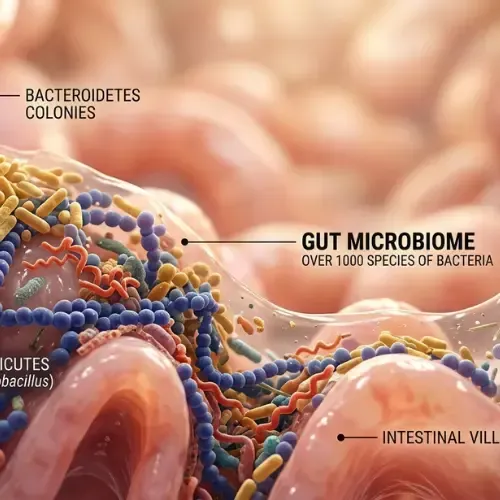
You have more bacterial cells in your gut than human cells in your entire body. Most people know the gut microbiome exists. Almost nobody understands what it actually does.

Ultra-Processed Food
Ultra-processed food is not simply unhealthy food. It is an industrially manufactured product engineered to override hunger and drive compulsive consumption.

John Shaw
MAP30 Challenge
John Shaw is a Certified Nutrition Educator and the founder of the MAP30 Challenge. What began as a personal health journey at 294 pounds, and pre-diabetic, evolved into a structured 30-day metabolic reset program grounded in nutritional science. John's mission is simple: give people the biological education that the diet industry never did.

FAQ's
1. What are the benefits of a 24-hour fast?
A 24-hour fast produces a growth hormone surge of up to 2000% above baseline — the most significant lean tissue-preserving hormonal event accessible through fasting. It fully depletes glycogen, restores insulin sensitivity, deepens autophagy past the level a 16-hour fast reaches, mobilizes visceral fat preferentially, provides 24 hours of gut rest and microbiome reset, and produces ketone-driven mental clarity in the final hours. These are the documented metabolic responses to the specific physiological state a 24-hour fast creates.
2. Does a 24-hour fast cause muscle loss?
No — and the biology explains why. The growth hormone surge that peaks during a 24-hour fast is specifically designed to preserve lean tissue during periods without food. Growth hormone is the primary anabolic hormone responsible for muscle protection. Its elevation up to 2000% above baseline during a 24-hour fast means the body is in an active muscle-protecting state. Muscle catabolism becomes a concern in extended multi-day fasts without adequate protein refeeding — not in a single 24-hour window where growth hormone is at its highest.
3. Is it safe to fast for 24 hours?
For healthy adults without contraindicated conditions, yes. The primary physiological consideration beyond 16 hours is electrolyte management — as glycogen depletes, sodium, potassium, and magnesium are excreted with the water stored alongside glycogen. A pinch of sea salt in water and a plain magnesium supplement prevent the headaches and fatigue that electrolyte depletion causes. A 24-hour fast is not appropriate for people with type 1 diabetes, those on medications requiring food, pregnant or breastfeeding women, or those with a history of eating disorders.
4. Can you drink coffee during a 24-hour fast?
Black coffee — no cream, no sweetener — is acceptable during a 24-hour fast. It contains no calories, does not trigger a meaningful insulin response, and does not interrupt the metabolic state the fast creates. Coffee can suppress appetite during the transition hours and provides a mild energy and focus benefit through the middle portion of the fast. What breaks a fast is anything that triggers an insulin response — calories, sweeteners, cream. Plain black coffee does not qualify. Unsweetened tea follows the same principle.
5. How often should you do a 24-hour fast?
Once per week for those well-adapted to extended fasting who use it as a regular metabolic maintenance tool. Once or twice per month for those using it as a deeper reset alongside a daily 16:8 practice. Once per quarter for those new to 24-hour fasting or who prefer a less regimented approach. All three frequencies produce meaningful benefit — the right choice depends on fasting experience, metabolic goals, and personal preference. The foundation before any 24-hour fast is consistent 14:10 or 16:8 practice for four to six weeks.
6. What are the benefits of a 24-hour fast for women specifically?
The benefits are substantially similar to those for men — growth hormone elevation, insulin sensitivity restoration, autophagy deepening, visceral fat mobilization, and gut rest. Research shows women experience a somewhat lower growth hormone peak than men during a 24-hour fast (approximately 1300% above baseline versus 2000% in men) but the magnitude of the surge is still significant. Women who are sensitive to hormonal disruption from extended fasting should start with 16:8 and assess their response before progressing to 24-hour fasts — some women find that 20-hour fasts achieve their goals without the hormonal considerations that occasional longer fasts can raise.
Sources
Ho KY et al. — 'Fasting enhances growth hormone secretion and amplifies the complex rhythms of growth hormone secretion in man' (Journal of Clinical Investigation, 1988) — https://pubmed.ncbi.nlm.nih.gov/3127426/
Cahill GF — 'Fuel Metabolism in Starvation' (Annual Review of Nutrition, 2006) — https://pubmed.ncbi.nlm.nih.gov/16848698/
Anton SD et al. — 'Flipping the Metabolic Switch: Understanding and Applying Health Benefits of Fasting' (Obesity, 2018) — https://pubmed.ncbi.nlm.nih.gov/29086496/
Longo VD, Mattson MP — 'Fasting: Molecular Mechanisms and Clinical Applications' (Cell Metabolism, 2014) — https://pubmed.ncbi.nlm.nih.gov/24440038/
Alirezaei M et al. — 'Short-term fasting induces profound neuronal autophagy' (Autophagy, 2010) — https://pubmed.ncbi.nlm.nih.gov/20534972/

Let Me See The Ai Audit Report
I had the MAP30 course material audited and graded by 4 dirrerent Ai models. I was shocked by the grade. See what they had to say about the MAP30 course.

Jaabsha Marketing LLC | All rights reserved 2024 Terms Of Service