MAP30 Article Directory
Return To Home Page →
Weight Loss & Fat Burning
Weight Loss & Fat Burning Articles
The conventional model of weight loss is simple: eat less, move more, create a calorie deficit, and the weight comes off. Millions of people have followed this advice precisely — and failed. Not because they lacked willpower, but because the model is wrong.
Weight loss is not primarily a math problem. It's a hormonal one.
The hormone that determines whether your body stores fat or burns it is insulin. When insulin is elevated — as it chronically is in people with insulin resistance — the body's fat cells are locked in storage mode. No amount of caloric restriction fully overrides this signal. You can eat less and still gain weight, or plateau, or lose muscle while fat stays put, because the underlying hormonal environment hasn't changed.
This is why so many people experience the frustrating pattern of initial weight loss followed by a complete stall — even while maintaining the same diet. Metabolic adaptation, hormonal compensation, and the body's defense of its set point all play roles that calorie math doesn't account for.
Fat burning requires a specific metabolic state: low insulin. When insulin falls — through reduced carbohydrate intake, fasting, or improved insulin sensitivity — the body can finally access stored fat as fuel. This is the metabolic switch, and it's the target that actually moves the needle for people with underlying metabolic dysfunction.
The articles in this section examine the real science of fat metabolism — why traditional weight loss advice fails, what drives fat storage at a hormonal level, and what approaches are supported by the evidence for people who have tried everything and gotten nowhere.

The Real Reason You Can't Lose Weight - It Has Nothing to Do With Calories
Calories don't control your weight. Hormones do. And once you understand the difference, everything changes.
You've been lied to. Not maliciously, maybe. But systematically, repeatedly, and expensively. The diet industry has conditioned millions of people to believe that weight loss is a math problem — calories in, calories out.
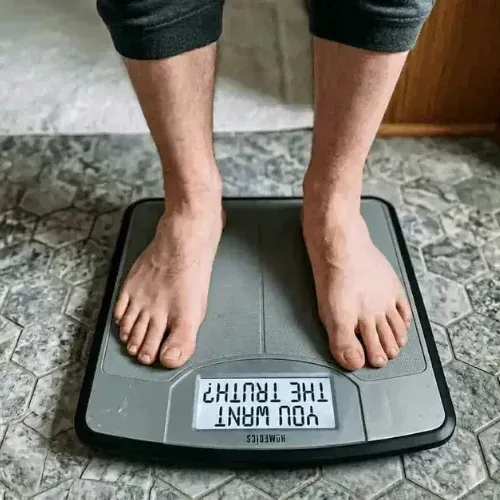
You're In a Calorie Deficit and Still Not Losing Weight? Here's Why.
The calorie deficit model has been the foundation of weight loss advice for over a century. But millions of people follow it precisely — and still get nowhere. The problem isn't your discipline. The problem is that the model is incomplete. Here's what the science actually says.
How to Burn Fat — Why Fat Is Your Body’s Preferred Fuel and How to Access It
You've been told your body runs on carbohydrates. That's only half the story. Understanding how ketones work in the body — and how to burn fat as fuel — changes everything about how you think about energy, hunger, and weight loss.
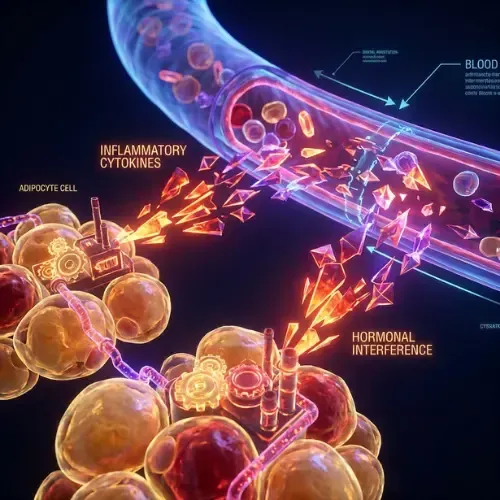
Visceral Fat vs. Subcutaneous Fat: Which One Is Actually Dangerous?
Not all body fat is equal — and the difference matters more than almost anything else in metabolic health. One type stores energy quietly. The other secretes hormones, drives inflammation, and actively dismantles your insulin signaling. Understanding which is which changes everything about how you approach fat loss.
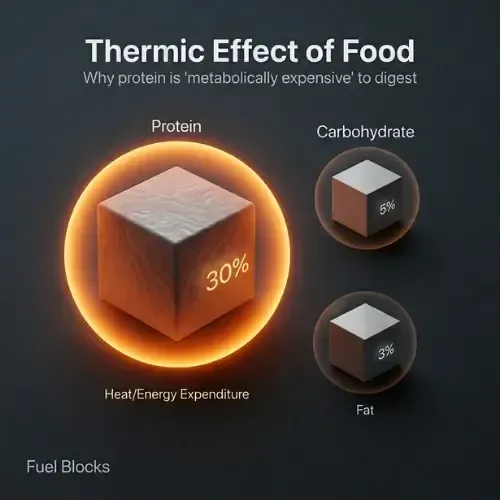
Why Protein Is the Most Important Macronutrient for Fat Loss — And How Much You Actually Need
Of the three macronutrients, protein is the one that most directly supports fat loss, preserves lean mass, and keeps hunger manageable. But most people eat far too little of it — while obsessing over the ones that matter far less. Here's what the research actually says.
Most Read Article:
The Real Reason You Can't Lose Weight - It Has Nothing to Do With Calories
Calories don't control your weight. Hormones do. And once you understand the difference, everything changes.

📩 Join the Metabolic Health Newsletter
New articles, research insights, and metabolic health strategies delivered directly to your inbox.