MAP30 Article Directory
Return To Home Page →
Metabolic Disease
Metabolic Disease Articles
Type 2 diabetes. Metabolic syndrome. Non-alcoholic fatty liver disease. Prediabetes. These are different diagnoses, different names on different lab reports — but they share the same underlying driver: insulin resistance and the metabolic dysfunction that follows from it.
Most people who receive one of these diagnoses are told what to do — lose weight, exercise more, reduce carbohydrates, take medication — without being told what's actually happening in their body and why. That gap matters. Understanding the biology of metabolic disease isn't just academic. It changes how you approach treatment, what questions you ask your doctor, and what you're willing to commit to.
Metabolic disease doesn't develop overnight. It develops over years, sometimes decades, as insulin resistance progresses silently. Blood sugar stays normal while insulin climbs. The pancreas works harder and harder to compensate. Inflammation increases. Fat accumulates in the liver. Blood pressure rises. Triglycerides climb. By the time a diagnosis lands, the metabolic system has often been under stress for a long time.
That progression is also reversible — at least in part, and in many cases significantly. The same biological mechanisms that drive metabolic disease can be addressed through changes in the metabolic environment: how often you eat, what you eat, how your body handles glucose and insulin, and how your cells produce energy.
The articles in this section cover the science of metabolic disease in plain language — what these conditions are, how they develop, what the research shows about reversing or managing them, and what the medical system often gets wrong about diagnosis and treatment.
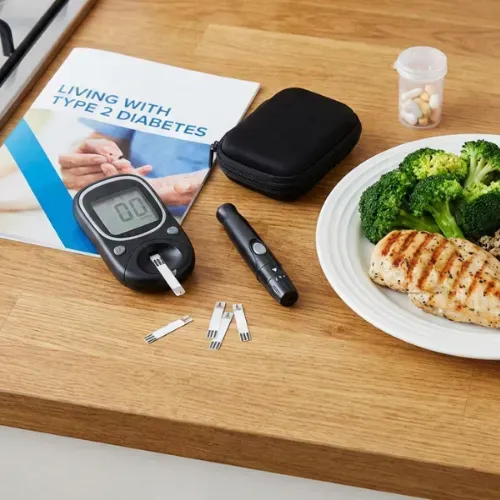
Type 2 Diabetes: Remission, Reversal, or Cured? What the Terms Actually Mean—and Why It Matters
Your A1C is below 6.5%. You're off medication. You feel better than you have in years. So why does your chart still say 'diabetes'? The answer lies in a terminology gap between what's happening in your body and what the medical system is authorized to say. Here's what the science actually defines — and why the distinction matters more than you think.
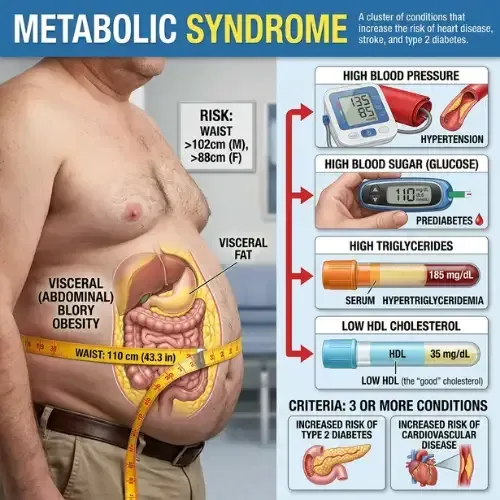
What Is Metabolic Syndrome — The Silent Condition Affecting 1 in 3 Americans
Most people who have metabolic syndrome don’t know it. There’s no single dramatic symptom — just a cluster of five measurable risk factors that, together, signal a metabolism in serious trouble. Understanding what metabolic syndrome is, how to recognize it, and what drives it is the first step toward reversing it.

Ozempic and GLP-1: What the Weight Loss Drug Craze Isn't Telling You
GLP-1 drugs work. That part is true. What the headlines skip is how they work, what happens when you stop, and what your body can do naturally with the same hormonal pathway — without the injections, the cost, or the side effects.

Non-Alcoholic Fatty Liver Disease: What Exactly Is NAFLD and Why Does It Happen?
You don't drink. You're not overweight. You eat reasonably well. And your doctor just told you that your liver is showing signs of fat accumulation. Here's what NAFLD actually is, why it has nothing to do with alcohol, and what's really causing it.

You Were Just Diagnosed With Prediabetes. Now What?
Your fasting glucose came back at 99. Your doctor said everything looks fine. It isn't. Here's what that number actually means — and why the next few years are the most important window you'll ever have.

Most Read Article:
The Real Reason You Can't Lose Weight - It Has Nothing to Do With Calories
Calories don't control your weight. Hormones do. And once you understand the difference, everything changes.

📩 Join the Metabolic Health Newsletter
New articles, research insights, and metabolic health strategies delivered directly to your inbox.