14 April, 2026
Edition: Food, Sugar & Industry
Vol 2, Edition 7
Why Are Seed Oils Bad — What They Actually Do to Your Body
Seed oils are in almost everything processed food contains. They are marketed as heart-healthy vegetable oils. They are a product of industrial chemistry that has been in the human food supply for barely a hundred years. Here is what the research actually shows about what they are and what they do.
Published By: MAP30 Challenge | Authored By: John Shaw
Article Directory: https://map30challenge.com/article-directory
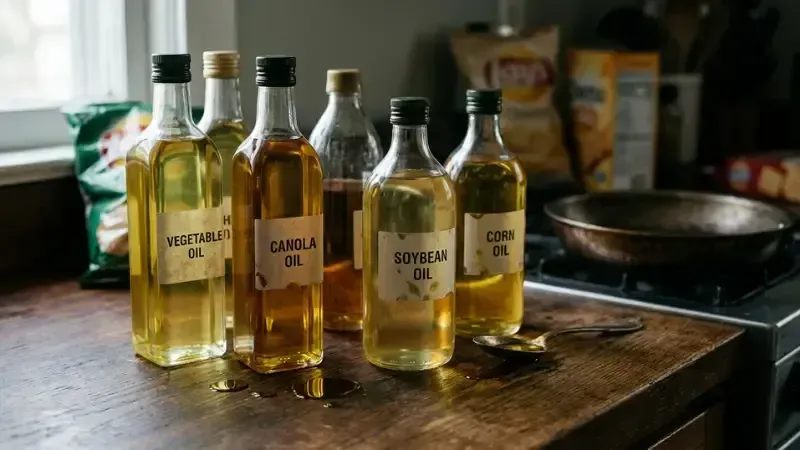
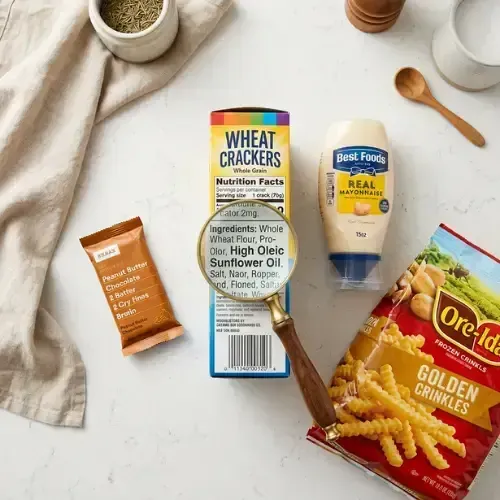
Pick up almost any packaged food in an American supermarket — crackers, cookies, chips, frozen meals, salad dressings, protein bars, bread, even baby formula — and somewhere in the ingredient list you will find them. Canola oil. Soybean oil. Corn oil. Sunflower oil. Cottonseed oil. Safflower oil.
These oils are so ubiquitous that most people consider them a neutral background ingredient. They are labeled vegetable oils, which sounds benign — natural, plant-based, presumably healthy. The American Heart Association has recommended them as heart-healthy alternatives to saturated fat for decades. They are in the foods your doctor probably told you to eat.
The scientific picture on seed oils has shifted considerably since those recommendations were made. And the story of why seed oils became so dominant in the food supply — and what they actually do inside the human body at the volumes now consumed — is one of the more consequential and least understood chapters in the history of the modern diet.
What Seed Oils Actually Are — And Why They're Nothing Like Olive Oil
When I started reading ingredient labels seriously — really reading them, not just glancing — the thing that stopped me wasn't the sugar. It was how many products contained multiple forms of the same industrially processed oils. Canola here, soybean there, a blend of both in the next thing I picked up. I had always assumed vegetable oil meant something close to olive oil. It does not.
Seed oils are oils extracted from the seeds of plants — soybeans, corn, cottonseed, rapeseed (canola), sunflower, and safflower. They are distinct from fruit oils like olive oil and coconut oil, which are pressed from the flesh of the plant rather than its seeds. That distinction matters not just botanically but chemically — because the way seed oils are made is fundamentally different from any traditional cooking fat.
Olive oil can be produced by cold-pressing olives — a mechanical process that has existed for thousands of years. Butter is churned from cream. Tallow is rendered from beef fat. Seed oils cannot be produced this way. The seeds simply do not yield enough oil through pressing alone. So the industrial process begins: seeds are heated to high temperatures, crushed, and then mixed with hexane — a petroleum-derived chemical solvent, in the same family as gasoline — to extract the remaining oil. The hexane is removed through further heating, and the resulting crude oil then goes through refining, bleaching, and deodorization.
"Seed oils are not traditional foods. They are industrial products that have been in the human food supply for barely a hundred years. The biology of what happens when you consume them in the quantities the modern diet delivers is only now being fully understood."
The deodorization step is the one that should concern you most. It exposes the oil to temperatures between 400 and 500 degrees Fahrenheit for extended periods. At those temperatures, the fragile polyunsaturated fatty acids in seed oils undergo chemical changes — the same changes that happen when cooking oil goes rancid, but built into the manufacturing process before the bottle ever reaches the shelf. The finished product looks clean and clear. But it has traveled through a chemical and thermal process that would be unrecognizable to any prior generation as food production.
The Omega-6 Problem — Why Your Body Wasn't Built for This
The primary health concern about seed oils is not that they contain fat. It is that they deliver massive quantities of a specific type of fat — linoleic acid, an omega-6 fatty acid — at volumes that human metabolism was never designed to handle.
Omega-6 and omega-3 fatty acids are both essential — the body cannot produce them and must obtain them from food. In ancestral human diets, the ratio of omega-6 to omega-3 intake was estimated to be between 1:1 and 4:1. In the modern Western diet, driven largely by seed oil consumption, that ratio has shifted to approximately 15:1 to 20:1 — and in some estimates, as high as 25:1.
This matters because omega-6 and omega-3 fatty acids compete for the same metabolic pathways. When omega-6 dramatically dominates the dietary input, it displaces omega-3 in cell membranes throughout the body — including brain cells, cardiovascular tissue, and immune cells. The practical consequence is a shift in the signaling molecules the body produces to regulate inflammation. Omega-6-derived compounds tend to be pro-inflammatory. Omega-3-derived compounds tend to be anti-inflammatory. A diet overwhelmingly dominated by omega-6 — as the modern Western diet is — tips this balance toward chronic, low-grade systemic inflammation. Not the acute inflammation that heals a wound, but the persistent background inflammation now recognized as a driver of cardiovascular disease, insulin resistance, and metabolic syndrome.
A study analyzing changes in the American food supply found that linoleic acid consumption — primarily from soybean and other seed oils — increased approximately 136% between 1909 and 1999, driven by the displacement of traditional animal fats by industrial vegetable oils. The authors noted this shift had occurred faster than any prior change in the human dietary environment. (Blasbalg TL et al. — American Journal of Clinical Nutrition, 2011)
From 2g to 80g per day
The estimated increase in average American linoleic acid (omega-6) consumption from seed oils between 1900 and today — a 40-fold increase in roughly one century
Blasbalg TL et al. — American Journal of Clinical Nutrition, 2011
What Seed Oils Do Inside Your Body — The Chain Nobody Explains
The omega-6 imbalance is the foundation. But what seed oils actually do inside the body — the chain of events from consumption to cellular damage — is rarely explained in a way that makes the mechanism visible. Here is how it works.
When linoleic acid from seed oils is metabolized in the body, it produces reactive compounds called oxidized lipid metabolites. Think of it like rust forming inside a pipe. The oxidation process generates chemically reactive byproducts that damage whatever tissue they contact — cell membranes, mitochondria, the lining of blood vessels. These compounds are not hypothetical. They have been found at elevated levels in the tissue of people with non-alcoholic fatty liver disease, cardiovascular disease, and neurodegenerative conditions. The body can handle small amounts of these byproducts — but at the volumes that modern seed oil consumption produces, the oxidative load overwhelms the body's repair capacity.
From there, the gut becomes the next point of damage. Research has demonstrated that high linoleic acid intake alters gut microbiome composition and increases intestinal permeability — what is commonly called leaky gut. When the gut barrier is compromised, bacterial compounds from the intestine enter the portal circulation and reach the liver in concentrated form. As covered in the NAFLD article in this library, this is one of the primary mechanisms driving fatty liver disease — the liver receiving a continuous inflammatory load from a gut barrier that can no longer keep the bloodstream clean.
The systemic inflammation that results does not stay contained to the gut or the liver. It circulates. It impairs insulin signaling in cells throughout the body. It drives the progression of exactly the conditions the seed oils were supposed to help prevent — cardiovascular disease, metabolic syndrome, type 2 diabetes. The connection is not direct or simple, and the research is still developing. But the chain from excess omega-6 to oxidative damage to gut disruption to systemic inflammation is biologically coherent and increasingly supported by evidence.
One additional pathway worth noting — though it remains active research rather than established consensus: linoleic acid is a precursor to compounds that stimulate the endocannabinoid system, the same system that regulates appetite and fat storage. Excess dietary linoleic acid may chronically overstimulate this pathway, driving hunger and fat accumulation beyond what caloric intake alone would predict. If that mechanism holds up, it would help explain why seed-oil-heavy diets seem to promote overconsumption in ways that the simple calorie math does not fully account for.
Seed Oils and Heart Disease — The Study That Was Hidden for Decades
I truly believe that the recommendation to replace saturated fat with polyunsaturated vegetable oils as a strategy to reduce cardiovascular risk was one of the most influential dietary messages of the twentieth century. It reshaped the food supply, generated the seed oil industry's explosive growth, and convinced generations of Americans that butter was dangerous and canola oil was protective. The clinical trial evidence behind that recommendation is considerably more complicated than the guidelines ever acknowledged.
The early trials that seemed to support seed oil consumption for heart health — the LA Veterans Administration Study, the Finnish Mental Hospital Study, and others — showed reductions in coronary events when saturated fat was replaced by polyunsaturated vegetable oils. But most of these trials also used partially hydrogenated oils containing significant trans fats, making it impossible to isolate the effect of seed oils specifically from the simultaneous reduction in trans fat consumption. The studies were cited as evidence for seed oils. They were contaminated by a confounding variable that made them unreliable for that purpose.

The most important trial in this debate is the Minnesota Coronary Experiment — a large, rigorous, randomized controlled trial conducted in the 1960s and 1970s involving more than 9,000 participants. It was exactly the kind of study that should have settled the question. Participants replacing saturated fat with linoleic-acid-rich vegetable oil showed the expected result: LDL cholesterol went down. But their rate of coronary events and death did not go down. The group with the greatest cholesterol reduction showed the highest death rate. The trial's findings directly contradicted the dietary fat hypothesis it was designed to confirm — and its investigators did not publish the results for decades.
A 2016 re-analysis of the Minnesota Coronary Experiment, using data recovered from the original investigators, found that for each 30 mg/dL reduction in serum cholesterol produced by replacing saturated fat with vegetable oil, there was a 22% higher risk of death — a finding directly opposite to the hypothesis the trial was designed to support. The full dataset had been available since the 1970s. (Ramsden CE et al. — BMJ, 2016)
I want to be clear. None of this means seed oils are definitively proven to cause heart disease. The evidence is genuinely complex and the research continues. I think it is safe to say, what it does mean is that the confident recommendation to replace traditional fats with seed oils as a cardiovascular health strategy was built on a weaker evidentiary foundation than most people were led to believe — and that a large, rigorous trial whose results pointed in the opposite direction was suppressed for forty years.
How to Reduce Seed Oil Consumption — The Practical Switch
The most important practical point about seed oils is not whether they are definitively proven harmful at any given dose. It is that they are consumed at volumes in the modern diet that would have been unrecognizable to any prior generation — and that reducing that consumption is both practical and aligned with moving toward a whole-food framework.
When I cleared seed oils out of my kitchen, I expected it to be complicated. It wasn't. The substitution is simple — it is the label reading that takes the most adjustment. The primary sources of seed oils in the modern diet are:
Packaged and processed foods — crackers, chips, cookies, cereals, bread, frozen meals, protein bars. Read the ingredient list. If it contains canola, soybean, corn, sunflower, safflower, or cottonseed oil, it is a significant source
Restaurant food — the overwhelming majority of restaurant cooking uses seed oils because of low cost and high smoke point. This includes fast food, casual dining, and most takeout
Salad dressings and condiments — most commercial dressings, mayonnaise, and sauces are made primarily with soybean or canola oil
Products labeled 'vegetable oil' — virtually always a seed oil blend
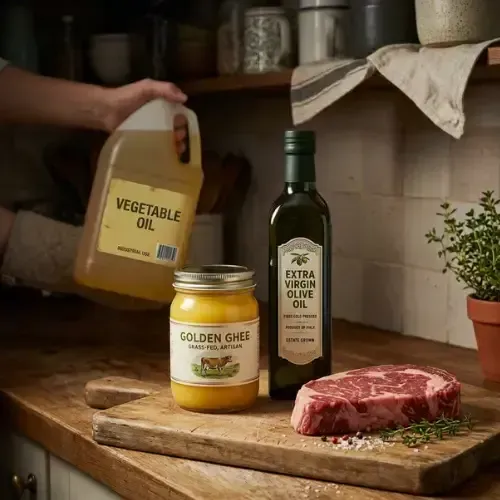
The replacement is straightforward: cook at home with butter, ghee, tallow, lard, or coconut oil. Use extra virgin olive oil for lower-heat cooking and dressings. Read ingredient labels on every packaged food before buying. Eat at home more than you eat out. These are not exotic changes — they are a return to the cooking fats that every prior generation used, that require no industrial processing to produce, and that have been part of the human diet for thousands of years.
Reducing seed oil consumption is also structurally linked to reducing ultra-processed food consumption — because seed oils are the primary fat in virtually every ultra-processed product. If you are removing refined carbohydrates and added sugars from your diet as the MAP30 framework prescribes, you are simultaneously removing most of the seed oil in your diet. The two interventions come from the same place and leave together.
Seed Oils vs. Traditional Fats: What's in Your Kitchen?
Seed Oils vs. Traditional Fats: What's in Your Kitchen?
| Seed Oils (Avoid) | Traditional Fats (Use These) | |
|---|---|---|
| Examples | Canola, soybean, corn, sunflower, safflower, cottonseed, "vegetable oil" | Butter, ghee, tallow, lard, coconut oil, extra virgin olive oil |
| How made | Industrial — hexane solvent extraction, bleaching, deodorization at 400–500°F | Minimal processing — churned, rendered, cold-pressed, or expeller-pressed |
| Omega-6 load | Extremely high — linoleic acid dominates, drives 15:1–25:1 omega-6:omega-3 ratio | Low to moderate — closer to ancestral 1:1–4:1 omega-6:omega-3 ratio |
| Oxidation risk | High — polyunsaturated structure is chemically unstable, especially under heat | Low to moderate — saturated and monounsaturated fats are chemically stable |
| In food supply | ~100 years — an industrial product of the 20th century | Thousands of years — used by every prior human generation |
| Where found | Nearly all packaged foods, restaurant cooking, condiments, dressings | Home kitchen — cook with these, read labels to avoid the others |
This article is part of our Food, Sugar & Industry series. Food, Sugar & Industry
Latest Articles

How a Low-Carb Diet Works
Keto. Low-carb. Carbohydrate restriction. Metabolic eating. The names change. The biology doesn't. When you stop sending your body the foods that spike insulin.
Protein For Weight Loss
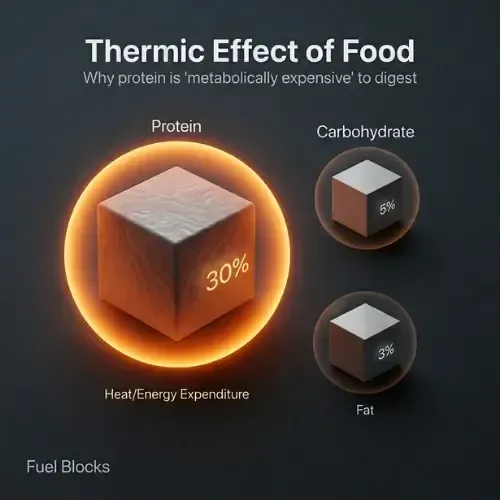
Of the three macronutrients, protein is the one that most directly supports fat loss, preserves lean mass, and keeps hunger manageable. But most people eat far too little of it.
Sleep Slowing Your Metabolism
You're doing everything right — eating well, staying active, managing stress as best you can. And yet the scale won't move, your energy is flat.

John Shaw
MAP30 Challenge
John Shaw is a Certified Nutrition Educator and the founder of the MAP30 Challenge. What began as a personal health journey at 294 pounds, and pre-diabetic, evolved into a structured 30-day metabolic reset program grounded in nutritional science. John's mission is simple: give people the biological education that the diet industry never did.

FAQ's
1. Why are seed oils bad for you?
The primary concerns are the volume of omega-6 linoleic acid they deliver and the reactive byproducts they produce during metabolism. Ancestral diets had an omega-6 to omega-3 ratio of 1:1 to 4:1. Modern Western diets, driven by seed oil consumption, have shifted that ratio to 15:1 to 25:1. This imbalance tips the body toward chronic low-grade inflammation. The industrial production process also produces oxidized compounds associated with cellular and mitochondrial damage. At modern consumption volumes — 40 times higher than a century ago — the cumulative effect is significant.
2. What are seed oils and how are they made?
Seed oils are oils extracted from plant seeds — canola, soybean, corn, sunflower, safflower, cottonseed. Unlike olive oil or butter, most seed oils require industrial extraction using hexane, a petroleum-derived chemical solvent, followed by refining, bleaching, and high-temperature deodorization at 400 to 500 degrees Fahrenheit. This process produces oxidized lipid byproducts associated with inflammation — before the oil ever reaches the shelf.
3. How are seed oils slowly destroying your gut?
High linoleic acid intake from seed oils alters gut microbiome composition and increases intestinal permeability — leaky gut. When the gut barrier is compromised, bacterial compounds from the intestine enter the bloodstream and reach the liver, driving hepatic inflammation and insulin resistance. This gut-liver axis disruption is one of the primary mechanisms linking seed oil consumption to metabolic disease, including non-alcoholic fatty liver disease.
4. Are seed oils linked to heart disease?
The relationship is complex and the evidence is genuinely mixed. The Minnesota Coronary Experiment — a rigorous randomized trial involving more than 9,000 participants — found that replacing saturated fat with linoleic acid-rich vegetable oil lowered LDL cholesterol but did not reduce cardiovascular mortality. The group with the greatest cholesterol reduction showed the highest death rate. These results were not published for decades. The confident recommendation to replace traditional fats with seed oils rested on a weaker evidentiary foundation than most people were led to believe.
5. How do you reduce seed oil consumption?
Read ingredient lists on every packaged food and avoid products containing canola, soybean, corn, sunflower, safflower, or cottonseed oil. Cook at home using butter, ghee, tallow, lard, or coconut oil. Use extra virgin olive oil for lower-heat applications. Recognize that most restaurant food is cooked in seed oils. Reducing seed oil consumption is structurally linked to reducing ultra-processed food consumption — they largely come from the same sources.
6. How bad are seed oils really?
The honest answer is: genuinely uncertain at any specific dose, but clearly problematic at modern consumption volumes. No single meal of seed oil causes measurable harm. The concern is cumulative: 40 times the linoleic acid that human metabolism was designed to handle, delivered continuously, through virtually every processed food and restaurant meal. The replacement options — butter, tallow, olive oil — are chemically simpler, historically consumed, and free of the omega-6 load and oxidative byproducts that seed oils introduce. The comparison favors the switch regardless of where the research ultimately lands.
Sources
Blasbalg TL et al. — 'Changes in consumption of omega-3 and omega-6 fatty acids in the United States during the 20th century' (Am J Clin Nutr, 2011) — https://pubmed.ncbi.nlm.nih.gov/21367944/
Ramsden CE et al. — 'Re-evaluation of the traditional diet-heart hypothesis' (BMJ, 2016) — https://pubmed.ncbi.nlm.nih.gov/26960343/
Simopoulos AP — 'The importance of the ratio of omega-6/omega-3 essential fatty acids' (Biomedicine & Pharmacotherapy, 2002) — https://pubmed.ncbi.nlm.nih.gov/12442909/
Alvheim AR et al. — 'Dietary linoleic acid elevates endogenous 2-AG and anandamide and induces obesity' (Obesity, 2012) — https://pubmed.ncbi.nlm.nih.gov/22334255/
Esterbauer H et al. — 'Chemistry and biochemistry of 4-hydroxynonenal, malonaldehyde and related aldehydes' (Free Radical Biology and Medicine, 1991) — https://pubmed.ncbi.nlm.nih.gov/1937131/

Let Me See The Ai Audit Report
I had the MAP30 course material audited and graded by 4 dirrerent Ai models. I was shocked by the grade. See what they had to say about the MAP30 course.

Jaabsha Marketing LLC | All rights reserved 2024 Terms Of Service